

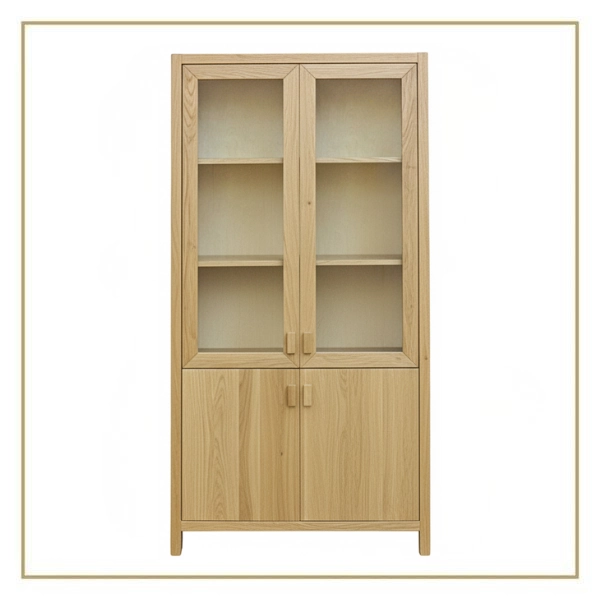
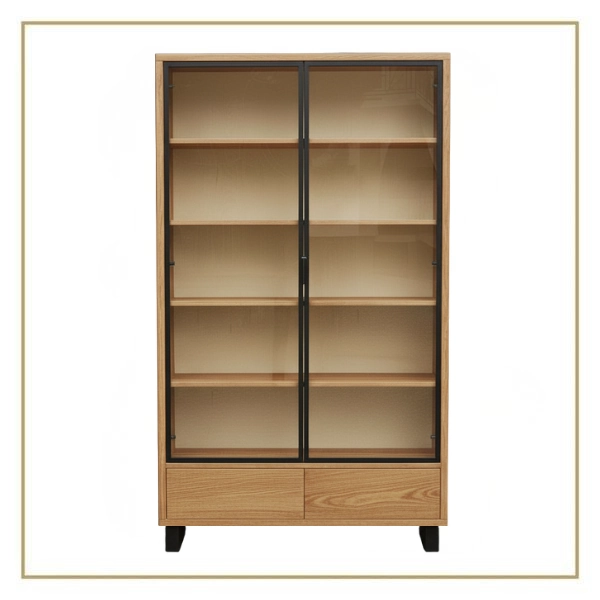
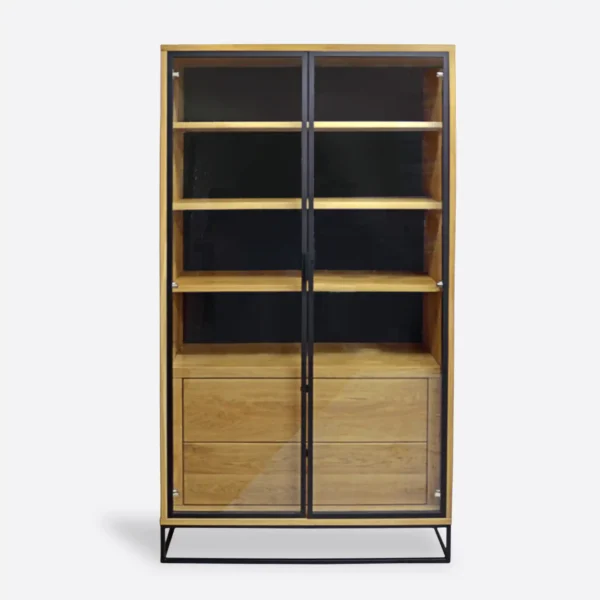


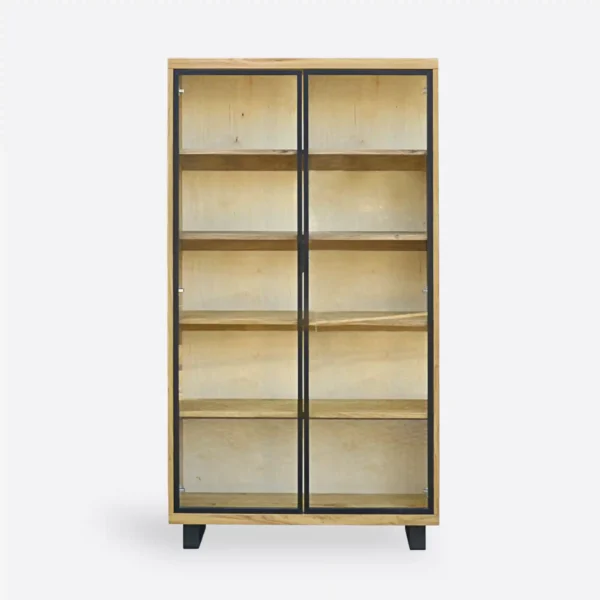
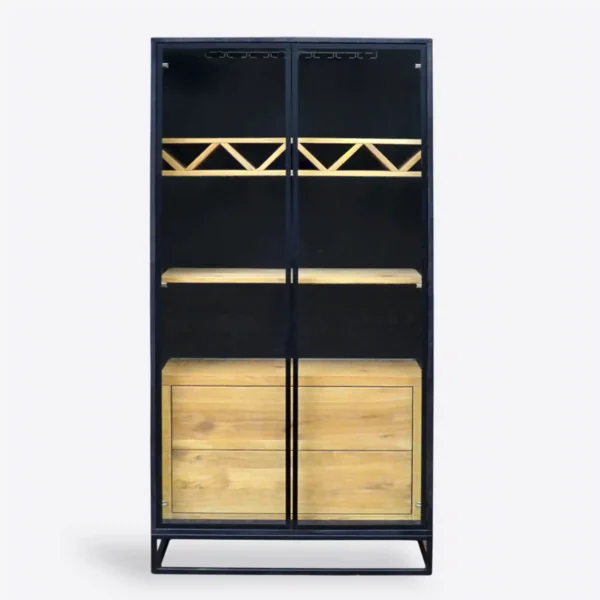
Wooden liquor display cabinet to living room NEMIR
Price range: 6750 zł through 7600 zł
Oak alcohol display cabinet for the living room NEMIR I
Price range: 6900 zł through 8100 zł
Modern display cabinet for alcohol NEMIR II
Price range: 6700 zł through 7600 zł

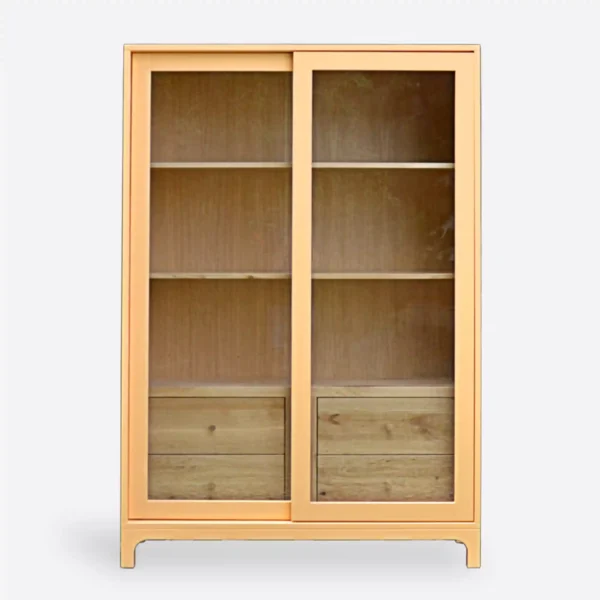
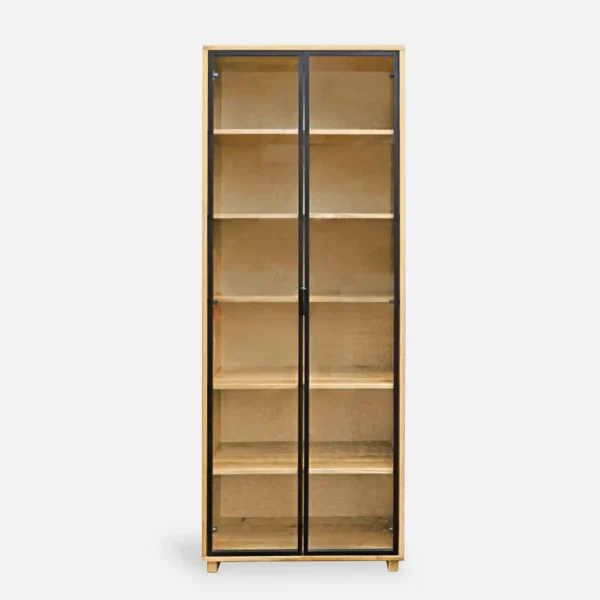
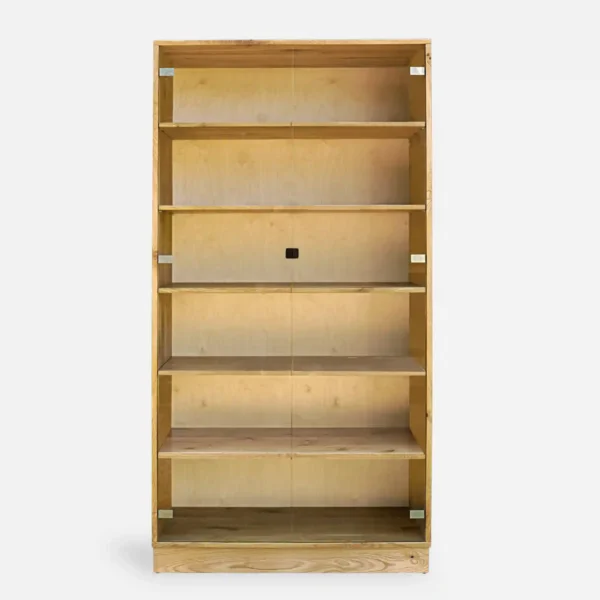
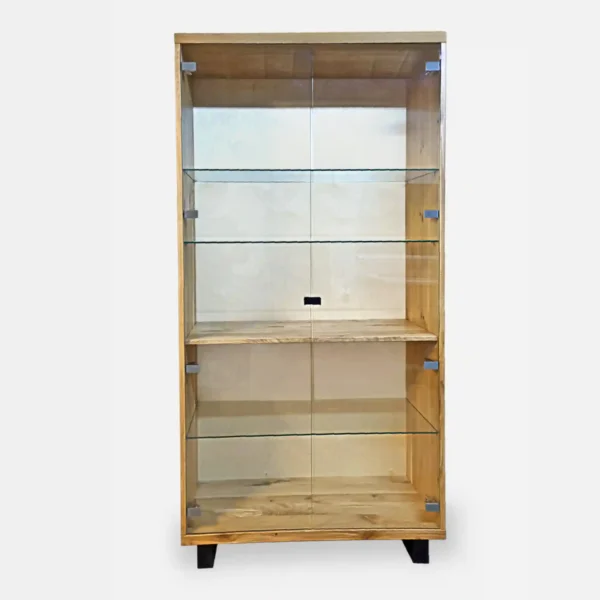

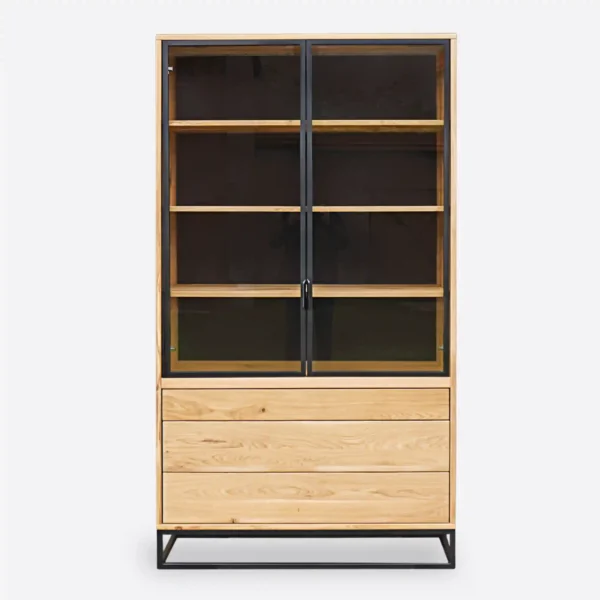
Solid oak display cabinet with drawers MERIS IV
Price range: 7450 zł through 8000 zł
Design display cabinet of solid wood to living room CARLA
Price range: 6250 zł through 6500 zł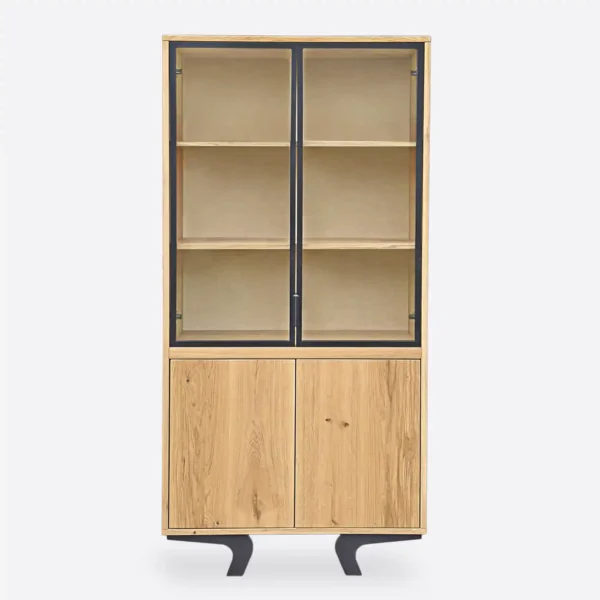

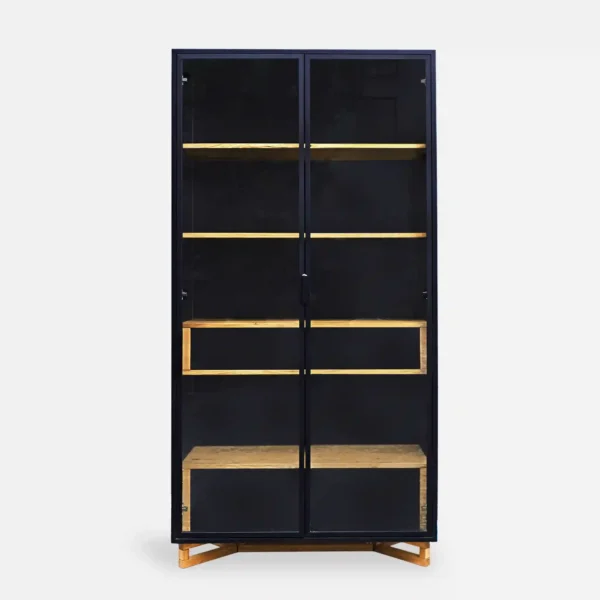
Glass cabinet of oak wood and laminated board to living room office NORD
Price range: 5900 zł through 6500 zł
Display cabinets for the living room and dining room – elegant display, tidy storage and a refined form
A display cabinet is one of those pieces that instantly “organise” an interior and elevate the perceived quality of the space. On the one hand, it gives you practical storage; on the other, it lets you consciously showcase what is beautiful and meaningful: glassware, porcelain, books, collections, décor and keepsakes. In a well-designed cabinet, everything looks curated, while the whole silhouette creates a calm backdrop for the day zone – especially in open-plan living rooms connected to the dining area.
At RaWood, we design display cabinets to combine everyday function and decorative impact without the effect of a “heavy wardrobe”. Proportions matter, as does the body division, the balance between glass sections and closed zones, and details that make daily use easier. If you want to match the piece to your flooring, walls and lighting, the safest approach is to choose the finish in real life, based on samples.
Quick links (the essentials):
- Wooden display cabinets – more “order” and storage, still with an elegant display.
- Glass display cabinets – maximum lightness and a true display effect (glassware, porcelain, books).
- Display cabinets portfolio – real interiors (proportions, colours, layouts).
- Samples / swatches – choose the colour and finish for your interior.
Display cabinet for the living room – when does it truly make a difference?
A display cabinet works best wherever you want to combine a representative look with practical storage. Instead of random shelves and open racks that quickly start to look chaotic, a cabinet helps you control everyday items in an aesthetic way. Glass sections add lightness, while closed zones let you quickly hide small things and keep visual calm in the living room.
It is also a great choice for interiors where the living room connects with the dining room: a display cabinet can become a natural “link” between the lounge and the table, keeping dinnerware, glassware and textiles together in one place.
Glass display cabinet: curated display without clutter
If you want a true display effect, choose a cabinet with more glass. A glass display cabinet works especially well in modern and minimalist arrangements, because it visually “breathes” and does not overpower the space. It is ideal when you want to show glassware, porcelain, collections, albums or seasonal décor – but in an organised way, without dust and without the impression of randomness.
In practice, the most convenient layout is: a glass section (display) + a solid section (order). This way, the cabinet is representative, but it still “works” as a storage piece.
Wooden display cabinet: more storage and a stronger silhouette
Wooden display cabinets are chosen by people who want to keep elegance, but also need more capacity. Sections with solid fronts make it easier to maintain order: you hide what does not need to be visible, and you keep the display only where it truly makes sense. This is a good option for classic interiors, modern classic arrangements and living rooms where the cabinet should “stabilise” the whole composition.
Depending on the model, a cabinet can also serve as a home library, a porcelain cabinet, or an elegant “bar zone” (glasses, decanters, accessories) – without the need to create a separate bar piece.
How to choose the perfect display cabinet: 9 buying decisions
- Placement in the room – a cabinet looks best when it has “breathing space” on the sides and is not squeezed between random elements.
- Width and height – taller cabinets offer more capacity; lower ones look lighter. Match width to the wall and other furniture bodies.
- Depth – deeper shelves work better for dinnerware and larger items; for décor display, a shallower depth is often enough.
- Display vs storage – more glass means more display; more solid fronts means faster visual order.
- Shelf layout – think about what you store: glasses, decanters, albums or porcelain, and match shelf heights to real dimensions.
- Closed zones – drawers and closed cupboards are key if you want to “hide everyday life”.
- Detail and opening style – it decides whether the cabinet looks modern, classic or more loft-like.
- Colour and finish – they determine harmony with the floor and lighting; choose based on samples.
- Lighting – integrated lights can build atmosphere in the evening and highlight the display.
What do people most often store in a display cabinet?
A display cabinet is “universal”, but it works best when you plan it for a specific purpose from the start. The most common uses are:
- a cabinet for porcelain and glassware (sets, glasses, decanters),
- a cabinet for books (albums, collections, keepsakes),
- a dining room cabinet (dinnerware, table linen, serving items),
- a living room cabinet (décor, collections, a curated display),
- a cabinet as part of a coherent furniture set (with a sideboard, shelving unit or credenza).
Choosing the colour and finish – the simplest way to avoid regret
What looks “warm” or “neutral” in photos can look different at home – everything depends on flooring, daylight direction and evening lighting. If you want to be sure, order
samples / swatches
and compare them where the cabinet will stand.
Display cabinets in real interiors – see the portfolio
Product photos do not always show the true scale of the furniture. The portfolio helps you judge how a cabinet looks next to flooring, wall colour and lighting, and how it works in an open-plan living + dining layout. See:
Display cabinets portfolio.
Create a cohesive day zone
A display cabinet usually looks best when it has a “partner” in a similar style. If you are building a set for the living room and dining room, also see:
- Sideboards – extra storage and a strong base for the arrangement,
- Credenzas – a stronger dining-room body, often more “service-oriented”,
- Shelving units – open storage and a library-style look,
- Tables – a coherent dining zone.
Choose a display cabinet
If you want lightness and a display effect – go to glass cabinets. If you need more storage – choose wooden cabinets. For inspiration and real-life proportions, start with the portfolio.
Wooden display cabinets
Glass display cabinets
View portfolio
Go to shop
Order samples