
Wooden Bookcases

Modern Oak Bookcase VITA
10500 zł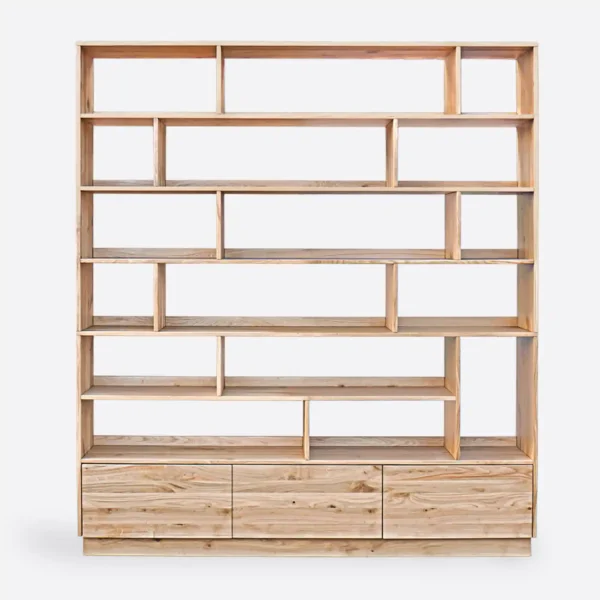
Oak bookcase with drawers VITA II
12000 zł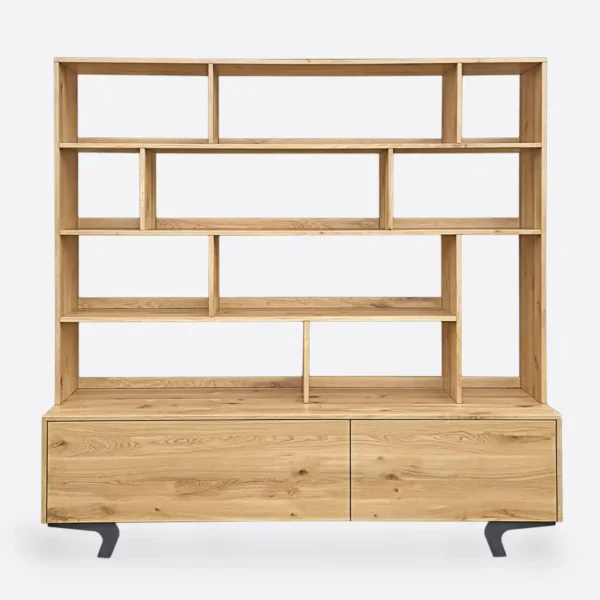
Oak Bookcase with Cabinets VITA I
10000 zł
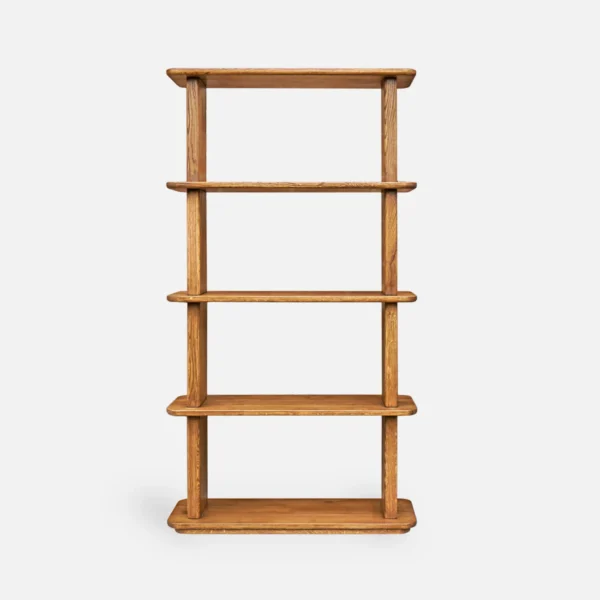
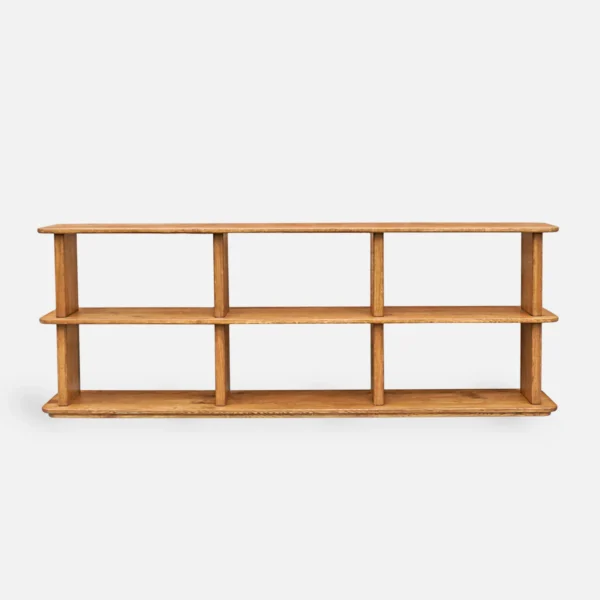

Oak Bookcase for Living Room and Office LIVO
Price range: 5900 zł through 6900 zł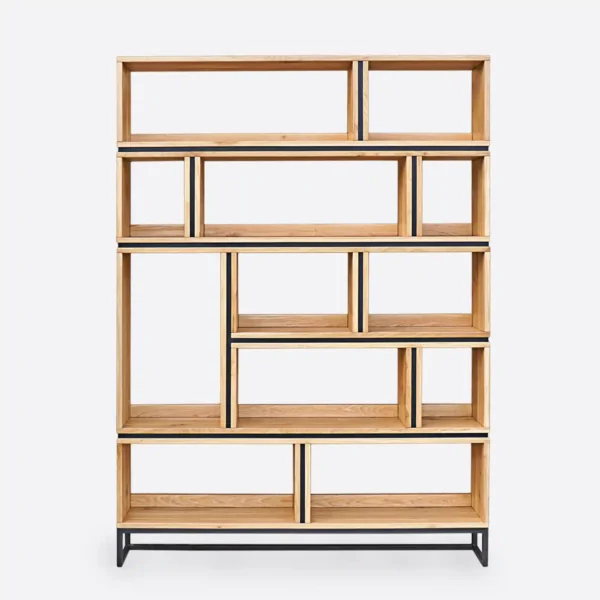
Modular Oak Bookcase LIVO II
Price range: 3750 zł through 7250 zł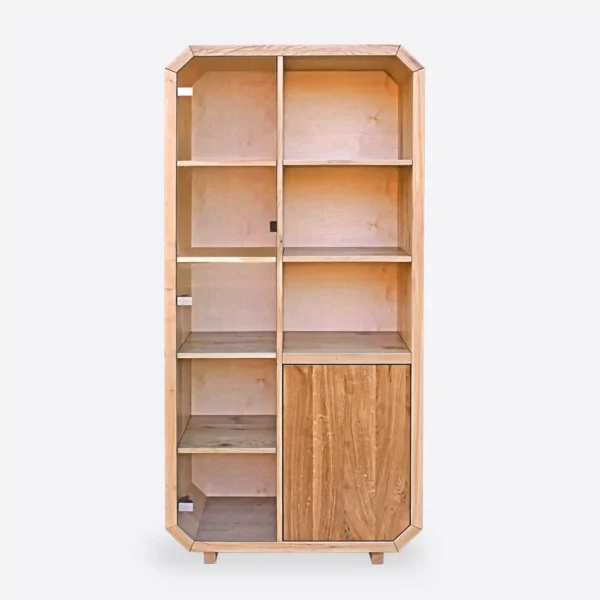


Guides about Wooden Bookcases

Bespoke solid oak office furniture — how to design a desk, bookcase and chest of drawers for a specific space
An office furnished with standard catalogue furniture often creates the same problem: something does not quite fit. The desk may
Read the guideWooden bookcases in solid oak for living rooms, studies and home libraries
Wooden bookcases are a natural choice when storage should remain visually open and the character of oak should stay visible in the room. In a living room they can combine books with ceramics, plants and personal objects, while in a study they provide easy access to documents, albums and reference materials. In a home library, a larger bookcase can become one of the main pieces of furniture and organise a substantial collection without hiding it behind solid fronts. The right choice depends on what needs to be stored, how densely the shelves will be used and how much visual space should remain around the objects.
Within this category, some designs focus mainly on open shelving while others combine shelves with drawers or closed storage. That difference matters more than a general style label. If smaller everyday items should stay out of sight, additional closed sections can be useful; if books and decorative objects are the priority, a more open construction keeps the oak visible and the furniture visually lighter. If you are still comparing wooden, industrial and narrow constructions, return to the main oak bookcases category before choosing a more specific direction.
How to choose wooden bookcases for books, display and everyday storage
A home library and a living-room display place different demands on wooden bookcases. A larger book collection benefits from a practical shelf rhythm and easy access to frequently used books, while a living-room arrangement can leave more open space between ceramics, plants, framed photographs and smaller groups of books. In a study, binders and work materials may determine the required shelf spacing. Before comparing designs, consider the largest objects you intend to store and whether the bookcase needs to provide mainly capacity, display space or a balance between both.
Room scale should be considered at the same time. A broad, tall wooden bookcase can work well as a deliberate feature on a large wall, but the same construction may feel too dominant in a smaller room. Slimmer proportions or a more open shelf pattern can preserve a greater sense of space while still providing useful storage. Nearby furniture matters as well: a bookcase standing beside a desk, dresser or display cabinet should feel proportionate to the whole arrangement rather than being chosen only by the amount of shelf space it offers.
Wooden bookcases in natural oak – finish, proportions and interior balance
Because a wooden bookcase exposes a large amount of timber, the oak finish has a noticeable effect on the room. Grain, natural variation and colour become part of the overall composition, and the same tone can appear different beside a light floor, darker wall or under warm evening lighting. Before making the final decision, compare oak wood samples in the actual room. This gives a more reliable impression than trying to match large wooden surfaces using photographs on different screens.
The bookcase does not need to match every nearby wooden piece exactly. A related tone, similar visual weight or consistent relationship between wood and the surrounding furniture is usually more important than creating a perfectly matched set. In a living room, leaving some shelves visually open can also make a larger piece feel lighter, while a more densely filled structure may suit a dedicated library or study. The material, shelf layout and scale should therefore work together rather than being treated as separate decisions.
Plan a wooden bookcase around the contents, not just the empty wall
A large blank wall can tempt you to fill as much of it as possible. In practice, the important question is whether books, files and display objects have useful shelf heights and whether some open space can remain between them.
A bookcase often looks calmer when every shelf is not packed to capacity. This also makes it easier to adapt the furniture as the collection changes over time.
Made-to-measure wooden bookcases for alcoves and difficult walls
A standard design is usually the simplest starting point, but alcoves, sloping walls or unusual storage requirements can make standard proportions impractical. Changing only the width or height of a wooden bookcase can affect shelf spans, stability and the overall balance of the furniture. The intended contents matter as well: a bookcase designed mainly for books can place different demands on shelf arrangement than one used for lighter display objects or mixed storage.
If an existing model is close to what you need but does not fit the wall or required shelf layout, use the dedicated made-to-measure wooden bookcases route. Start with the closest standard design and describe the available space, what the shelves will hold and the specific change that would solve the problem. This allows the proportions, shelf arrangement and construction to be considered together instead of treating customisation as a simple resize.
Two confirmed bookcases help move from a broad wooden-storage search to actual furniture: DAVOS and VITA II. Compare the amount of open shelving, lower storage and overall height against what you plan to store rather than judging the category only by style.
If scale is difficult to judge from product photographs, use the RaWood furniture portfolio to compare bookcases in complete interiors.
Frequently asked questions about wooden bookcases
How should shelf heights be chosen?
Start with the largest and most frequently used objects rather than designing a completely uniform grid.
Does a large bookcase need to fill the whole wall?
No. Leaving some wall or shelf space visible can make the room and the contents feel lighter.
When is a custom wooden bookcase useful?
When an alcove, wall width or specific shelf arrangement cannot be handled well by a standard model.