

Oak Sideboards
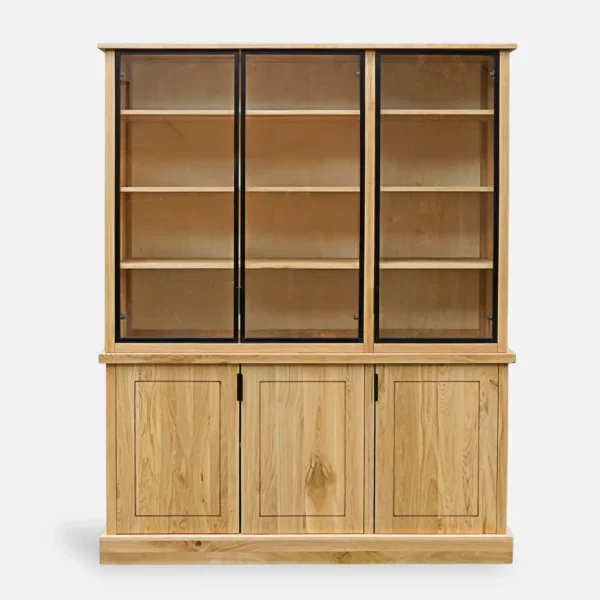
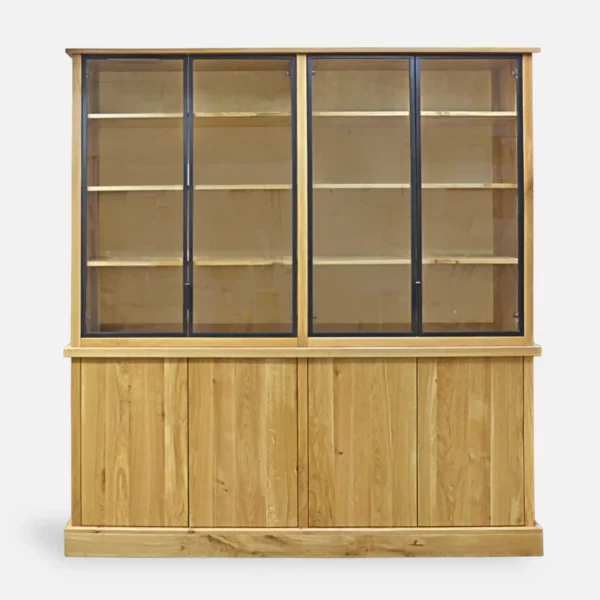
Modern Oak Sideboard MARINO II
3 400 €


Solid Oak Dresser with 4 Drawers MONTE I
Price range: 3 100 € through 3 250 €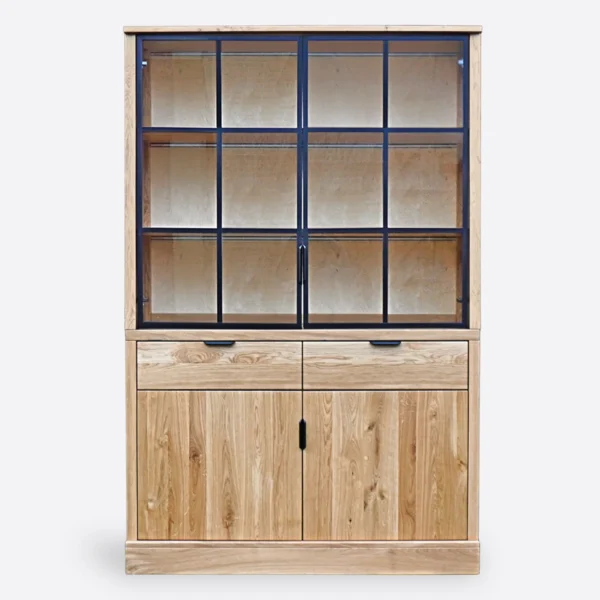
Oak sideboard with drawers MONTE II
Price range: 2 700 € through 2 850 €
Stylish Oak Sideboard MONTE
2 250 €

Oak Sideboard with Lighting LUMEN
Price range: 3 000 € through 3 150 €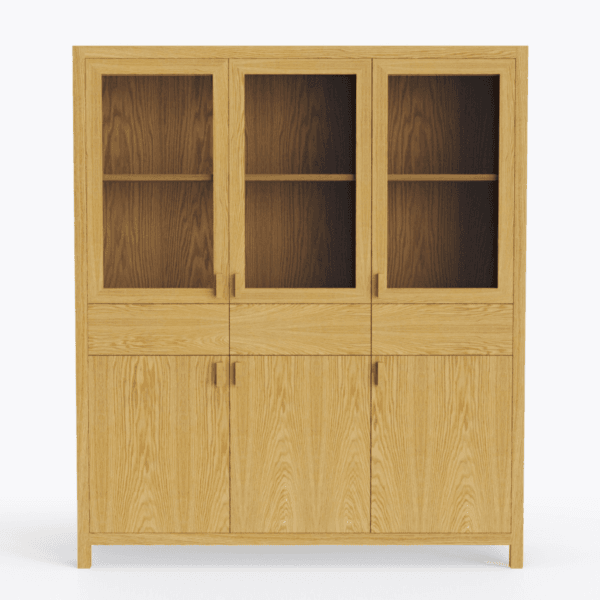
Oak sideboards for living and dining rooms
Oak sideboards combine useful storage with the natural character of wood, making them a practical choice for both living rooms and dining areas. The right sideboard should be chosen first by what it needs to store and how often those items are used. In a living room, closed sections can help organise documents, textiles and everyday accessories, while a dining-room sideboard may need convenient space for tableware, glassware, serving pieces and table linen. Depending on the model, the interior can combine cupboards, shelves, drawers or selected glazed sections, so the most useful comparison is between storage layouts rather than style names alone.
A more closed oak sideboard can keep visual clutter under control, while a model with glass or a display section gives selected objects a more decorative role. Size matters just as much as capacity. A large piece can provide generous storage but still needs enough room for doors and drawers to open comfortably and should not interrupt the main route through the room. The best sideboard is therefore not simply the one with the greatest number of compartments, but the one whose proportions and internal layout match the room and the items that actually need a permanent place.
How to choose an oak sideboard – storage, size and everyday access
Before comparing designs, decide whether the priority is closed storage, drawers, shelving or a combination of these functions. Drawers work well for smaller items that need frequent access, while cupboards and shelves are better suited to larger objects, serving dishes or things that are used less often. A glazed section can be useful when part of the contents should remain visible, but it should support rather than replace the main storage function. For a sideboard for the living room, consider everyday accessories and the relationship with seating or media furniture; for a dining room sideboard, think about how easily tableware and serving pieces can be reached from the table.
It is also worth checking the furniture from the room rather than only from the front. Width, height and depth affect how substantial the sideboard feels, while the position of doors and drawers determines how much free space is needed around it. If you are comparing different storage types, dressers are useful when a lower piece with an accessible top surface is the priority, while oak display cabinets are the better direction when presenting glassware, ceramics or decorative objects matters more than closed storage.
When the right proportions are still unclear, compare a few distinctly different models rather than the whole grid. MARINO is a broad dining-room reference point, DAVOS a different living-room construction, MONTE II a drawer-led option, and MARINO I a sideboard that brings lighting into the composition. Each link supports a different buying question rather than repeating the same anchor.
Oak sideboards – finish, proportions and the character of the room
The character of an oak sideboard comes from more than the front style. Proportions, divisions, the base, finish and the balance between solid and glazed sections all influence how the furniture sits in the room. Cleaner fronts and restrained details work naturally in contemporary interiors, while stronger divisions or more traditional proportions can suit warmer and more classic spaces. A lighter oak tone can make a larger sideboard feel calmer, while a deeper finish gives the furniture more visual weight.
Natural wood varies in grain and shade, so the final tone is easier to judge in the actual interior than on a screen. Compare oak wood samples next to the floor, dining table, wall colour and nearby furniture before making the final decision. The sideboard does not need to match every wooden element exactly; repeating a similar tone or material direction is usually enough to create a coherent result. The oak sideboard projects are also useful for checking how different widths, heights and finishes look in complete living and dining rooms rather than isolated product photographs.
Storage and serving surface should be planned together
A sideboard often works hardest in a dining area when it can store tableware and also provide a practical surface during meals. The internal layout should therefore reflect the items that need to be kept nearby rather than simply maximise the number of compartments.
In living rooms, the same furniture may serve a different role, holding documents or everyday items while supporting lighting or decoration above. The right height and width depend on that routine as much as on the wall itself.
Made-to-measure oak sideboards for individual storage needs
A standard sideboard is usually the best starting point because its proportions, front divisions and internal organisation have already been designed as one complete piece. Customisation becomes useful when the available wall, room layout or storage requirement creates a real limitation. Changing only the width or height can affect the relationship between doors, drawers and shelves, so an individual version should be planned around the complete furniture construction rather than one isolated dimension.
If a standard oak sideboard is close to what you need but the proportions or storage layout do not work, use the dedicated made-to-measure oak sideboard options. Start with the closest existing model and describe where the furniture will stand, what it needs to store and which part of the standard layout does not solve the problem. This gives a much clearer basis for adapting the proportions, internal organisation or finish while preserving a coherent and practical piece of furniture.
Frequently asked questions about oak sideboards
What is a sideboard particularly useful for?
Accessible storage in a living or dining area, often combined with a useful top surface.
How is a sideboard different from a display cabinet?
A display cabinet usually gives more emphasis to vertical presentation, while a sideboard offers lower, broader storage.
When does a custom sideboard make sense?
When wall width, internal layout or the way the top is used cannot be handled well by a standard model.