

Wooden Display Cabinets
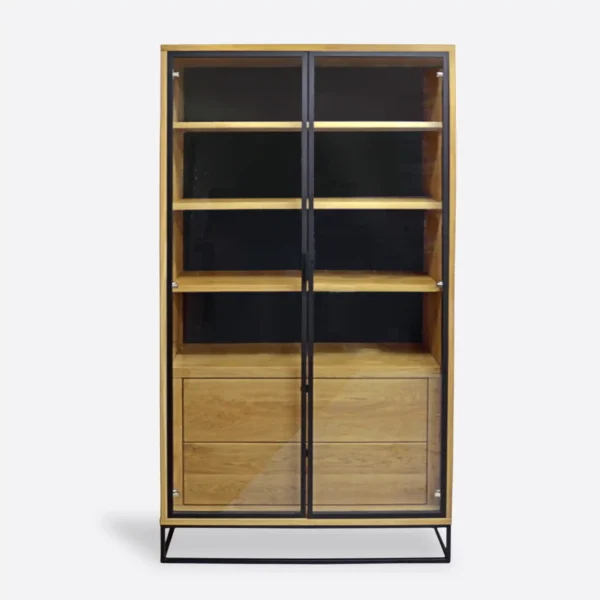


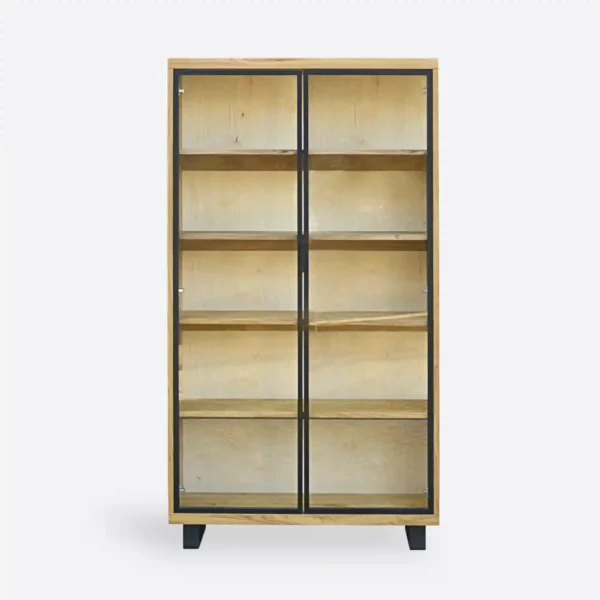

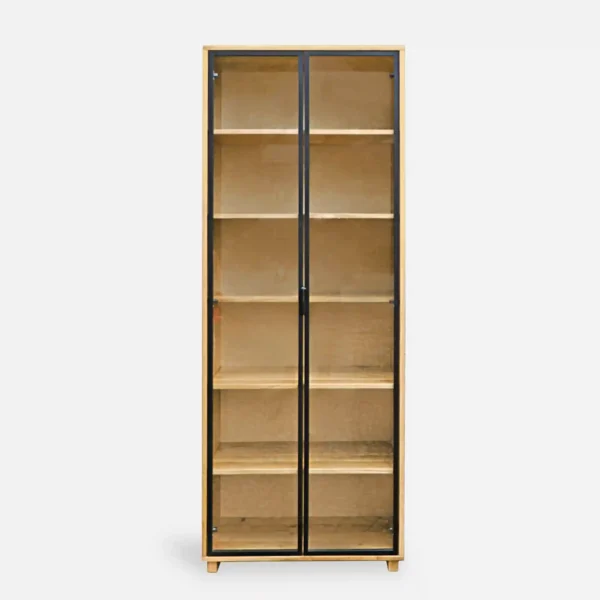
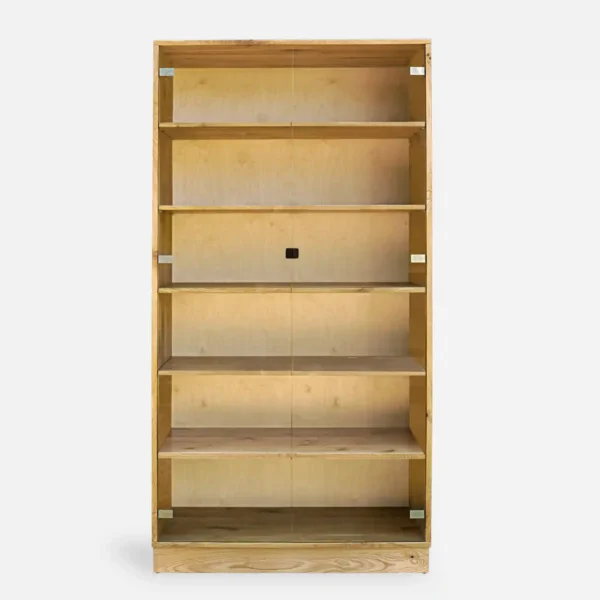
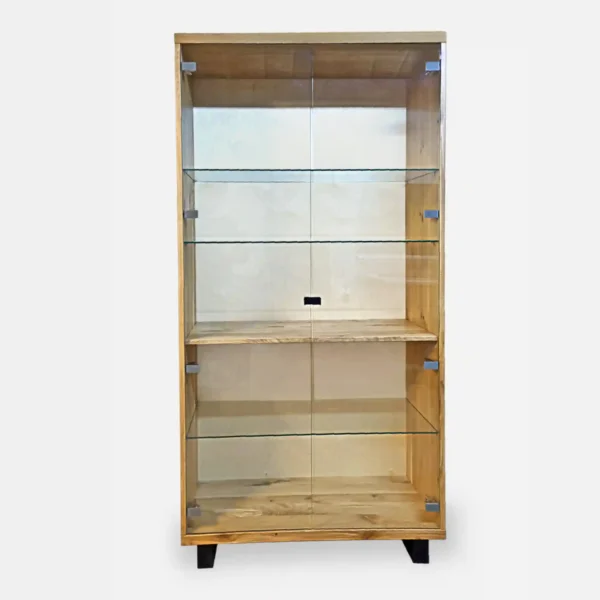


Oak Display Cabinet with Bar Function MERIS V
Price range: 8900 zł through 9500 zł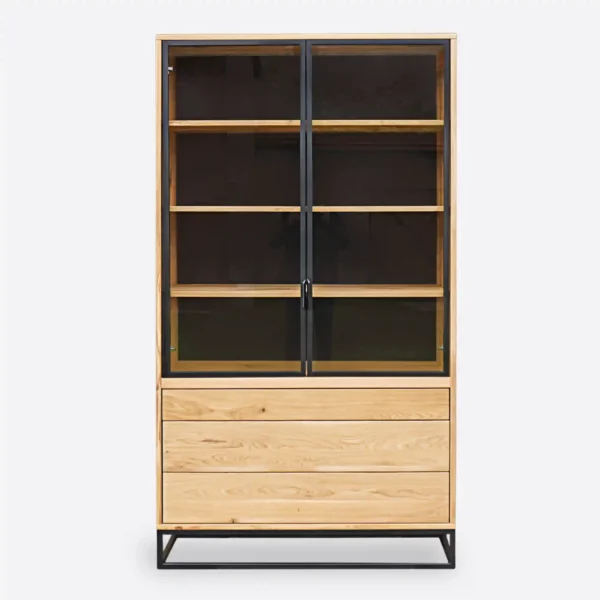
Solid Oak Display Cabinet with 3 Drawers MERIS IV
Price range: 7500 zł through 8000 zł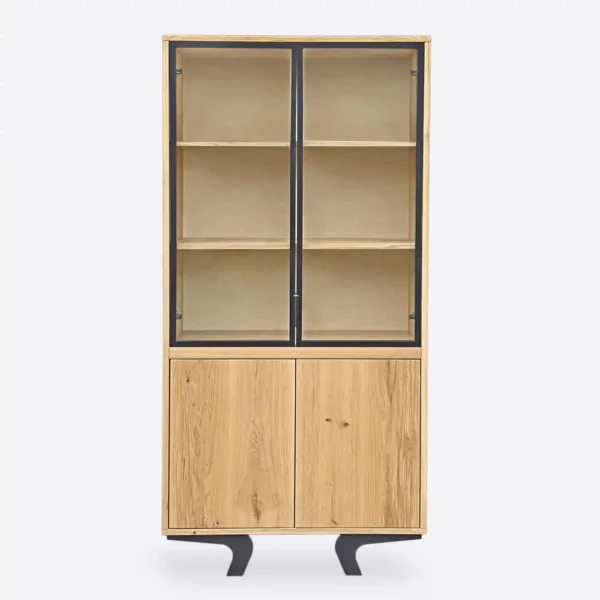


Glazed Oak Display Cabinet DAVOS
4500 zł


Industrial Pine Display Cabinet DENAR
Price range: 5250 zł through 5500 złGuides about Wooden Display Cabinets

Solid oak drinks cabinet – model comparison and how to choose a bar cabinet for the living room or study
A solid oak drinks cabinet brings bottles, glassware and accessories together in one dedicated piece of furniture instead of spreading
Read the guide
A solid oak display cabinet for the office and study – what to display, how to choose and which RaWood models are worth knowing
A bookcase displays. A chest of drawers stores. A display cabinet can do both at once — and that is
Read the guideWooden display cabinets for living rooms and dining rooms
Wooden display cabinets combine practical storage with a lighter display function, making them useful in living rooms, dining rooms and other spaces where some items should remain visible while others are better kept behind closed fronts. Glass sections can be used for porcelain, glassware, books, ceramics or personal collections, while drawers and closed compartments help keep everyday objects out of sight. This balance is particularly useful in a living room, where a cabinet often has to look presentable without requiring everything inside it to be permanently arranged as a display. In a dining room, the same piece can keep dinnerware, glasses and serving accessories close to the table while also providing storage for textiles and smaller items.
The amount of wood and glass changes the character of the furniture considerably. A more enclosed cabinet creates a stronger, furniture-like presence and offers more hidden storage, while a design with larger glazed sections feels visually lighter and places more emphasis on what is displayed inside. If maximum display is the main priority, compare this category with glass display cabinets. For a broader comparison of both directions, return to the main display cabinets category.
How to choose a wooden display cabinet – glass, shelves and closed storage
The best starting point is not the style label but what the cabinet needs to hold. Glassware and porcelain benefit from visible shelves and enough height around individual pieces, while books, albums and decorative objects may require a different shelf arrangement. Drawers are useful for smaller accessories, textiles or items that should remain easy to reach, and closed lower sections can handle everyday storage without making the interior look busy. A wooden display cabinet with glass can therefore be a practical middle ground: the glazed part gives selected objects space to be seen, while the more enclosed areas keep the rest organised.
Proportion matters just as much as the internal layout. A tall, narrow cabinet can use limited wall space efficiently, while a wider model can become a stronger element beside a dining table, sideboard or larger living-room arrangement. Before choosing, consider the available wall width, the amount of space needed to open the fronts and how much visual weight the room can comfortably take. A smaller room does not automatically require a tiny cabinet, but a lighter structure or larger glazed area may help the furniture feel less dominant. The useful question is therefore not simply “how large a cabinet can fit?”, but “how much storage and display space do I actually need without making the room harder to use?”
Wooden display cabinets in modern, industrial and classic interiors
A wooden display cabinet can work in very different interiors because its character depends on the proportions, amount of visible timber, glass and additional structural details. Cleaner divisions and a lighter silhouette suit more contemporary rooms, while stronger metal details can move the furniture towards an industrial or loft direction. A fuller wooden body can give a calmer, more traditional impression without making the piece old-fashioned. Instead of choosing only by the words “modern”, “industrial” or “classic”, compare the cabinet with the furniture already in the room and decide whether it should remain a quiet background element or become one of the stronger features of the wall.
Colour has a similar effect. A large wooden surface can look warmer, darker or lighter depending on the floor, wall colour and both daylight and evening lighting. When the finish needs to coordinate with other furniture, it is more reliable to check wood samples in the actual room than to make the final decision from a screen. If several pieces are being selected for the same living or dining area, the cabinet can also be compared with oak sideboards. They serve a different storage role, but repeating a similar wood tone or selected design detail can make the room feel coherent without turning it into a rigid matching set.
Choose a wooden display cabinet for the way you use the room
The final choice should follow the real function of the furniture. For a dining room, think about how often you use the glassware, tableware and serving accessories stored inside and which items should be easiest to reach. In a living room, decide how much space should be devoted to display and how much should remain closed. In a home office, books and documents may become more important than porcelain or decorative objects. The same category can serve all of these situations, but the right model will depend on the internal arrangement, scale and proportion of glass to closed storage rather than on one universal layout.
It is also worth seeing cabinets outside isolated product photographs. The display cabinets portfolio helps show how different proportions, finishes and amounts of glazing work with real floors, walls and neighbouring furniture. Use those interiors as a reference for scale rather than as arrangements to copy exactly. A well-chosen wooden display cabinet should solve a clear storage need, leave enough room around the furniture and fit naturally into the wider living or dining area. Once those practical decisions are clear, the choice of style and finish becomes much easier.
When a wooden display cabinet needs a different proportion or layout
If a standard model is close to the right solution but the wall width, shelf arrangement or balance between closed and visible storage does not work, use display cabinet customisation. Start with the nearest existing model and explain what needs to change and why.
More timber can integrate storage more quietly into the room
Wooden display cabinets are useful when presentation and closed storage need a stronger balance. Larger timber fronts carry more visual weight than glass but can also make the contents feel calmer and less dominant.
That can work particularly well in living rooms or studies where some objects should remain visible while paperwork or everyday items disappear behind solid fronts. Compare the internal layout before deciding how much glazing is actually useful.
For a product-level comparison, NORD and CARLA give two different reference points for wooden display storage. If you are comparing this specialist group with the full range, return to oak display cabinets before moving to a custom solution.
Frequently asked questions about wooden display cabinets
What is the difference between a wooden and glass display cabinet?
Wooden display cabinets can use more closed surfaces and therefore feel calmer while still allowing selected areas for display.
Where do wooden display cabinets work well?
In living, dining and work spaces where practical storage and a controlled amount of presentation need to coexist.
When is customisation useful?
When the available wall or desired internal layout cannot be used effectively by a standard cabinet.