
Solid Wood Furniture






Extendable solid oak table TOSCANIA
Price range: 4000 zł through 8300 zł
Extendable Solid Oak Dining Table DANTE I
Price range: 3950 zł through 8900 zł
Solid oak dining table DANTE
Price range: 3950 zł through 8900 zł

Extendable Solid Oak Table MOVA
Price range: 4100 zł through 8000 zł
Solid Oak Dining Table with Wooden Legs CORTEZ II
Price range: 4000 zł through 8800 zł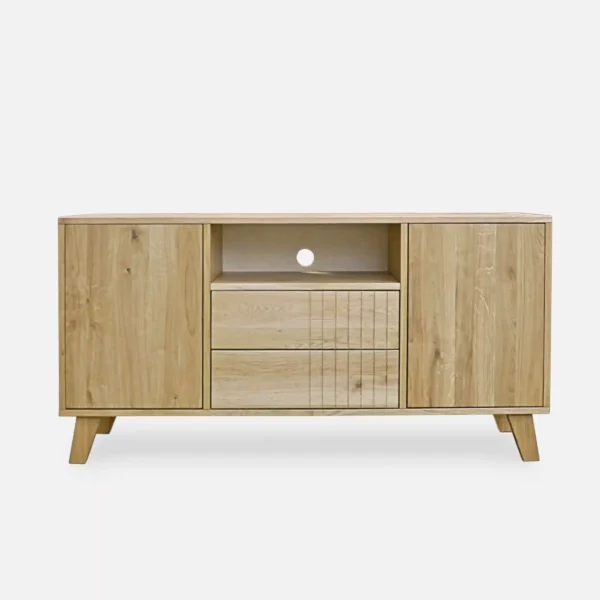
Oak TV Cabinet with Drawers NESS
5000 zł
Designer oak desk with one drawer VITA 4
Price range: 4250 zł through 4500 zł
Designer Oak Office Desk on Metal Legs VITA
Price range: 4750 zł through 5100 złGuides about Solid Wood Furniture

Solid oak dining table — all wood or oak and metal legs: which to choose and why it matters
When choosing a solid oak dining table, one important question quickly appears: should the table be made entirely from wood,
Read the guide
Bespoke solid oak office furniture — how to design a desk, bookcase and chest of drawers for a specific space
An office furnished with standard catalogue furniture often creates the same problem: something does not quite fit. The desk may
Read the guide
Solid oak conference table — how many people, what dimensions, how to route cables and what to know before ordering
A solid oak conference table is one of those pieces of furniture where choosing the wrong dimensions quickly becomes noticeable.
Read the guideSolid oak furniture for living, dining, bedroom and home office interiors
Solid oak furniture can create the main structure of an interior rather than simply fill individual spaces. A dining table determines how the dining area is used, a dresser or display cabinet organises everyday storage, a desk defines the working zone, and a wardrobe or bookcase can occupy a large part of the room visually. For this reason, choosing oak furniture works best when you begin with function and the proportions of the room, then compare the construction and only later decide on style and finish. The RaWood range covers furniture for living rooms, dining areas, bedrooms, hallways and home offices, from substantial storage pieces and tables to smaller consoles and accessories that complete an existing interior.
Solid wood furniture is particularly effective when several pieces need to work together without looking like an artificial matching set. Natural wood introduces visible grain and tonal variation, so two pieces do not need to have an identical surface to feel related. Similar proportions, a compatible wood tone or a repeated metal detail can be enough to connect a dining table with a dresser, a desk with a bookcase or a wardrobe with smaller bedroom furniture. At the same time, the exact material construction is not identical across the complete RaWood range. Individual models can use different combinations of wood, metal, glass or other materials, which means the product page should always be checked before ordering when the precise construction or finish is important.
The easiest way to plan a larger furnishing project is to identify the most important piece in each room first. In the dining area this is usually the table; in a home office it is the desk; in a bedroom the wardrobe or another major storage piece often sets the scale. Once those elements are chosen, additional furniture can support the same material direction without competing with them. This approach also makes it easier to decide where solid oak furniture should become the main visual feature and where a lighter or more mixed-material piece would create better balance. Instead of asking whether every room should contain exactly the same furniture style, ask whether the pieces share enough material, proportion and character to make the home feel coherent.
Oak furniture for living rooms, dining rooms, bedrooms and workspaces
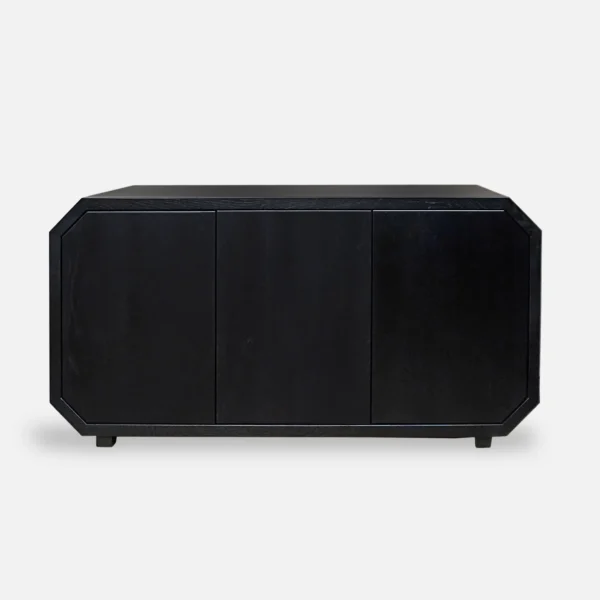
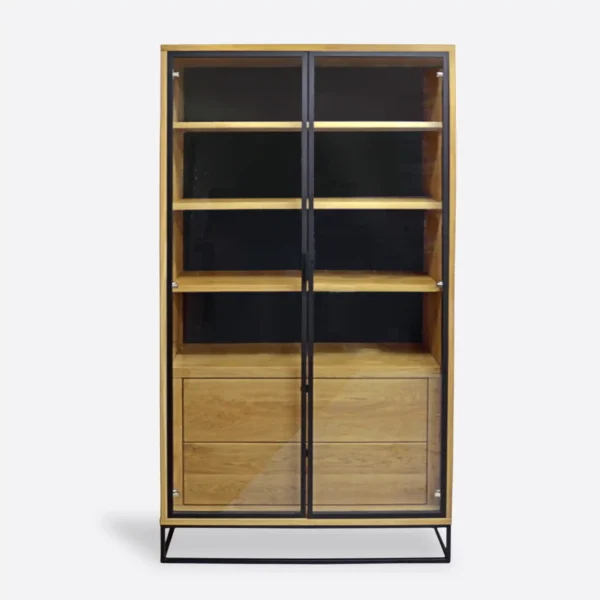
In a dining room or an open-plan kitchen and living space, the solid oak tables range is a natural starting point. A table is one of the largest uninterrupted surfaces in the room, so its wood tone, base and proportions have a strong effect on the whole interior. When choosing oak dining room furniture, it is useful to consider the table together with storage rather than as an isolated piece. solid wood dressers can provide closed storage and an accessible top surface, while display cabinets are better when glassware, ceramics, books or decorative objects should remain partly visible. The right combination depends on what the room needs to store and how much visual weight one wall can comfortably carry.
Oak furniture for living room interiors can follow several different directions. A dresser may organise everyday objects behind closed fronts, a display cabinet can combine storage with presentation, and a bookcase can use a larger part of the wall for books and decorative pieces. If open storage is the priority, compare oak bookcases rather than adding several smaller pieces that perform the same task less efficiently. A large living room does not necessarily need more furniture; it usually needs better relationships between the main pieces. Leaving enough space around a table, storage unit or bookcase helps the furniture feel intentional and makes everyday movement easier, particularly in open interiors where dining and seating zones share the same room.
A home office needs a different balance. oak desks for home and professional workspaces should first be judged by working surface, storage requirements and the space needed for the chair and equipment. The surrounding furniture should support that work rather than simply repeat the appearance of the desk. A bookcase can take documents and books away from the work surface, while a smaller storage piece can keep accessories within reach without making the desk itself unnecessarily heavy. This is the most useful way to think about oak office furniture: the desk remains the centre of the work zone, and other pieces solve specific storage or organisation needs around it.
For oak bedroom furniture, storage and visual calm become more important. A wardrobe occupies a large area and often becomes one of the strongest surfaces in the room, so its proportions should be considered in relation to the bed, doors and main walking routes. The solid oak wardrobes range is the better route when clothing storage is the main requirement, while a dresser can provide lower storage for folded items, textiles and smaller belongings. In smaller spaces, not every wall needs another large cabinet. A solid wood console table can provide a lighter surface in a hallway, living room or bedroom where a full-size storage piece would be unnecessary. Smaller finishing elements are grouped separately under wooden home accessories, which makes it easier to complete the interior after the main furniture has already been selected.
Modern and industrial oak furniture – choose the construction before the style label
Modern oak furniture does not have to mean one fixed type of design. A cleaner front division, visually lighter base and restrained detailing can make natural wood feel contemporary, while the same material in a more substantial construction creates a stronger and more traditional presence. Likewise, industrial oak furniture usually gains its character from the contrast between timber and darker metal rather than from the oak alone. The amount of visible steel, the geometry of the base and the relationship between open and closed elements can change the character of a table, dresser, desk or bookcase considerably. This is why style should be treated as the result of the complete construction rather than as a label applied before the practical decisions have been made.
The same principle applies when combining furniture across several rooms. It is not necessary to repeat one exact model family everywhere. A dining table may have a stronger base, while the dresser beside it uses a calmer form; a desk can include darker metal while a nearby bookcase relies more heavily on wood. The interior can still feel coherent when one or two details repeat consistently. If you prefer to start from an established design direction, browse the RaWood furniture collections and compare how related forms develop across tables, storage furniture, desks and smaller pieces. Collections can provide useful visual continuity, but they should not force you to choose a piece that does not fit the real function or scale of the room.
Wood finish becomes particularly important when several large surfaces are visible together. The same tone can look warmer or cooler depending on the floor, wall colour, daylight and artificial lighting, while natural grain means that every piece retains its own character. Before coordinating several oak pieces, compare oak wood colour samples in the actual interior rather than choosing exclusively from photographs. A sample is especially useful when a new table, dresser or wardrobe needs to work with an existing wooden floor or furniture purchased earlier. The goal does not need to be an exact colour match; often a compatible tone and similar visual weight create a more natural result than trying to make every wooden element appear identical.
How to choose solid wood furniture for the whole home – and when customisation makes sense
When furnishing several rooms, start with the pieces that define how the space is actually used. Choose the dining table before the smaller dining-room accessories, the main desk before additional office storage, and the wardrobe before filling the bedroom with smaller cabinets. Once those anchor pieces are clear, compare how much additional storage is genuinely required and whether the remaining walls need another substantial piece or something lighter. This order prevents an interior from becoming crowded simply because several attractive products were selected independently. It also creates a clearer route through a broad solid wood furniture for home range: first solve function and scale, then build material and style around those decisions.
A standard RaWood model is usually the best place to begin because its construction and proportions can be assessed as a complete piece. Individual adjustment has value when the standard furniture is close to what you need but a real feature of the room creates a problem — an unusual wall, a restricted passage, a particular storage requirement or the need to coordinate several pieces around one interior concept. In that situation, use the dedicated custom-made furniture service and describe the room, intended function and the standard design that is closest to your requirements. The possible scope depends on the selected construction, so a change in size, storage layout or other detail should be considered together with the proportions of the entire furniture piece rather than treated as an automatic option available across the whole range.
For larger projects, photographs of finished interiors can be more useful than isolated product images. The RaWood furniture realisations show how tables, storage pieces, desks and other wooden furniture relate to real floors, walls, lighting and available space. Use those examples to judge scale and relationships rather than to reproduce an interior exactly. A successful room usually comes from a few well-chosen pieces that solve clear needs, leave enough space around them and share a consistent material direction. Whether the final interior is modern, industrial, calmer or more traditional, the same buying logic applies: begin with the function, choose the correct furniture family, verify the construction and finish of the individual model, and only then decide whether the standard version or an individual project is the better solution.
Questions customers ask before choosing solid oak furniture
Do all solid oak pieces in one room need to match exactly?
No. A coherent interior can be built through related wood tones, proportions or repeated details without turning the room into a rigid furniture set. A table, sideboard and bookcase can have different forms and still work together when the materials and visual weight are balanced.
Is solid oak furniture suitable only for traditional interiors?
No. The same material can be used in quieter classic forms, contemporary furniture, industrial combinations with metal and more expressive designer pieces. Construction and proportion usually influence the style more strongly than the word “oak” itself.
When is customisation worth considering?
When a standard model is close to the right solution but a specific issue such as width, height, storage layout or room geometry prevents it from working properly. Customisation should solve a real spatial or functional problem rather than add changes for their own sake.