
Solid Oak Dining Tables

Extendable solid oak table TOSCANIA
Price range: 4000 zł through 8300 zł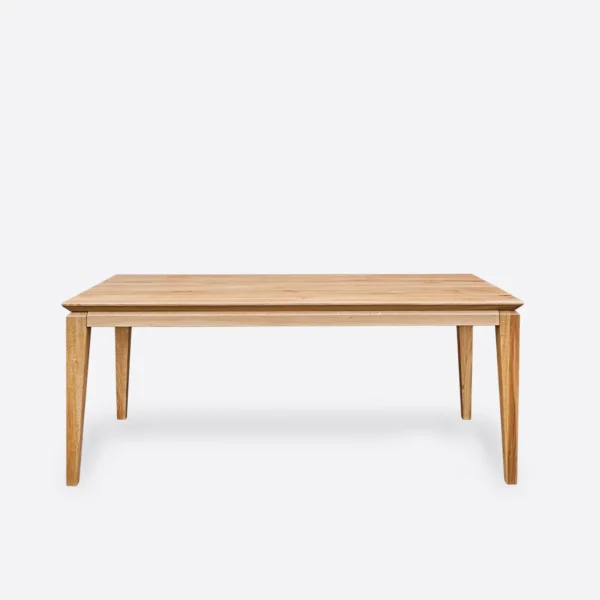
Extendable Solid Oak Dining Table DANTE I
Price range: 3950 zł through 8900 zł
Solid oak dining table DANTE
Price range: 3950 zł through 8900 zł
Extendable Solid Oak Table MOVA
Price range: 4100 zł through 8000 zł
Solid Oak Dining Table with Wooden Legs CORTEZ II
Price range: 4000 zł through 8800 zł
CORTEZ Extendable Oak Dining Table with Metal Legs
Price range: 3800 zł through 8200 zł
Extendable Oak Dining Table with Metal Legs VITA II
Price range: 3400 zł through 8000 zł
Oak Dining Table with Metal Legs VITA
Price range: 3800 zł through 8200 zł
VITA Oak Table with Metal Legs and Extension Leaves
Price range: 3800 zł through 8200 zł
Extendable Oak Dining Table NACK II
Price range: 4100 zł through 8000 zł
Modern Solid Oak Dining Table NACK
Price range: 4100 zł through 5700 zł
Solid Oak Dining Table with Chunky Legs THOR
Price range: 3900 zł through 8900 zł
Extendable dining table with oak top ATTON
Price range: 3700 zł through 8000 zł
VIVA II Extendable Oak Table with Metal Legs
Price range: 3400 zł through 8200 zł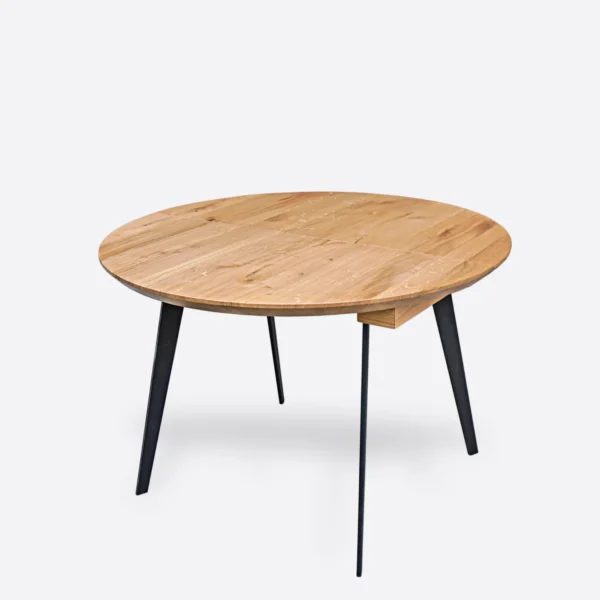
Round extendable dining table VITA II – oak top, metal base
Price range: 3800 zł through 6700 zł
Modern oak loft dining table WESTA I
Price range: 3200 zł through 7100 zł Oak dining table with metal legs VITA II
Price range: 3700 zł through 8000 zł
Oak Table with White Legs BIANCO
Price range: 3200 zł through 5700 złGuides about Solid Oak Dining Tables

Solid oak dining table — all wood or oak and metal legs: which to choose and why it matters
When choosing a solid oak dining table, one important question quickly appears: should the table be made entirely from wood,
Read the guide
Solid oak conference table — how many people, what dimensions, how to route cables and what to know before ordering
A solid oak conference table is one of those pieces of furniture where choosing the wrong dimensions quickly becomes noticeable.
Read the guide
Modern oak conference tables
Premium oak furniture for the office We are a manufacturer of custom-made furniture, specializing in creating high-quality office furniture made
Read the guideSolid oak dining tables for everyday meals and shared living spaces
Solid oak dining tables need to work comfortably every day, not only look impressive when the room is empty. Family meals, conversations, homework, working from a laptop and larger gatherings can all take place around the same table, so the right choice depends on more than the maximum size of the tabletop. The position of the legs or central base, the amount of space available for chairs and the route around the table all affect how comfortable the furniture will be once it is in regular use. A table that technically fits the room may still feel too large if chairs block circulation or the supports reduce usable seating positions.
RaWood offers oak dining tables in different proportions and design directions, from calmer wooden constructions to more contemporary forms in which an oak top can be combined with other materials. Natural oak gives the tabletop visible grain and variation in shade, so every large wooden surface has its own character. Instead of choosing only by colour or the number of seats shown in a product description, compare the scale of the table with the whole dining area, the position of the base and the way the furniture relates to chairs, lighting and nearby storage furniture.
How to choose a solid oak dining table – size, seating and base design
The most useful starting point is the number of people who use the table on an ordinary day. Check where the chairs will actually stand, whether the base restricts seating at the long or short sides and how much room remains when someone pulls a chair back. A larger solid oak dining table is not automatically more comfortable if its base takes away useful seating space or leaves too little room around the furniture. In a smaller dining area, lighter proportions and a well-positioned support can matter more than adding a few extra centimetres to the tabletop.
If the everyday group is relatively stable, a fixed table offers a simple solution built around one permanent layout. When additional places are needed only for guests or occasional gatherings, compare extendable oak dining tables. If the main visual idea is the combination of oak and metal, industrial oak dining tables provide a more focused choice. For interiors where the base and overall form should become a stronger design feature, see designer oak dining tables. These routes help narrow the choice without turning the broad dining-table category into a collection of competing specialist themes.
Oak dining tables – natural grain, finish and style in the room
An oak dining table has one of the largest visible wooden surfaces in a dining room, so grain, colour and finish have a strong influence on the whole interior. Natural timber does not repeat an identical pattern from one table to another, and differences in grain and shade are part of the material rather than something that can be standardised like a printed decorative surface. This becomes particularly noticeable when the table stands next to parquet flooring, wooden kitchen fronts or other furniture with a strong natural texture.
Before choosing the final tone, it is useful to compare oak wood samples in the same daylight and evening lighting in which the table will be used. The available surface treatment depends on the selected model and agreed variant, so maintenance should always be matched to the actual finish rather than assumed for the entire category. Real interiors are also useful when judging scale. The RaWood dining table portfolio shows how different oak tops, bases and proportions work once chairs, lighting, flooring and other furniture are part of the same room.
Plan the dining area as one zone, not as an isolated tabletop
The table works together with pendant lighting, chairs, a sideboard, kitchen units and the routes people use through the room. A model can fit on paper and still feel awkward if the light is off-centre, chairs block a passage or the serving area has nowhere to go during a meal.
In open-plan interiors, check the table from the main viewpoints as well as from above. The dining zone should feel connected to the rest of the room without forcing every surrounding piece to match. Repeating a wood tone or one metal detail is often enough to create continuity.
Made-to-measure solid oak dining tables for non-standard spaces
If a standard model is close to what you need but the available space, seating arrangement or base position creates a real problem, consider made-to-measure dining table options. The best starting point is the existing table closest to your preferred design, together with the dimensions of the dining zone, the normal number of users and the specific limitation of the standard version. Changing the length or width without considering the base can affect both the proportions and seating comfort, while modifications to an extendable table may also influence the extension system.
Customisation is most useful when it solves a specific spatial or functional problem rather than simply making a table larger. If you are still comparing several types of construction, return to the main solid oak tables category before deciding on a custom version. This keeps the buying process clear: first choose the type of table that suits everyday use, then compare proportions, base and finish, and only afterwards consider individual changes where a standard model cannot provide the required result.
For a product-level comparison, THOR is a useful fixed-table reference, while ATTON shows how the same dining-room decision changes when extension becomes part of the brief. Looking at real models after the broad category has been narrowed makes it easier to compare leg position, visual weight and seating rather than choosing only by a generic style label.
Frequently asked questions about solid oak dining tables
How much space should remain around a dining table?
Enough for chairs to move and for the main routes through the room to stay usable. Test this with the actual chairs whenever possible.
What matters more: tabletop length or the base?
Both matter. The base position can decide whether seats are genuinely comfortable even when the tabletop is large enough.
When is a fixed dining table the better option?
When the number of places changes little and the room can comfortably accommodate the table every day.
Can a dining table be adapted to an existing room?
Yes, when a standard model is close but a specific dimension or base position prevents it from working well.