

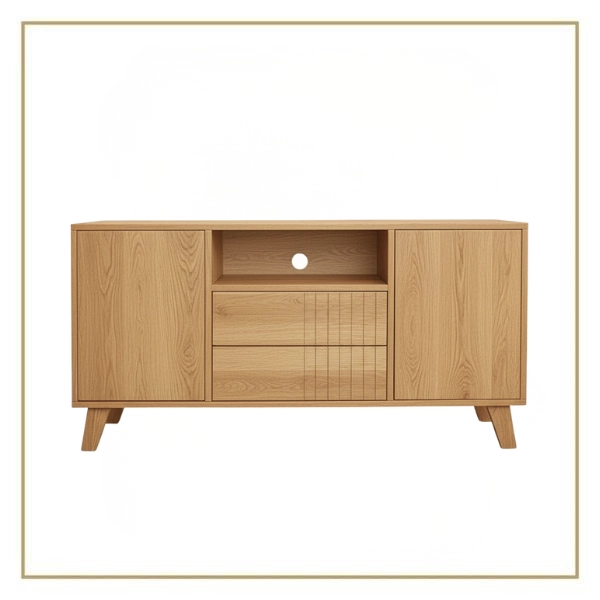
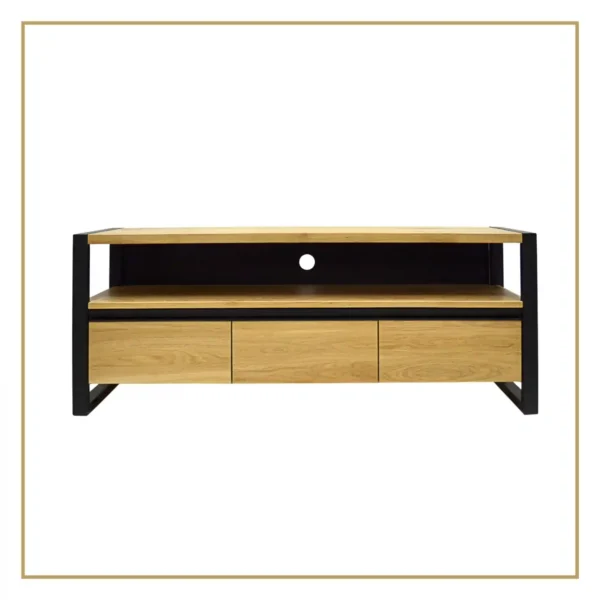
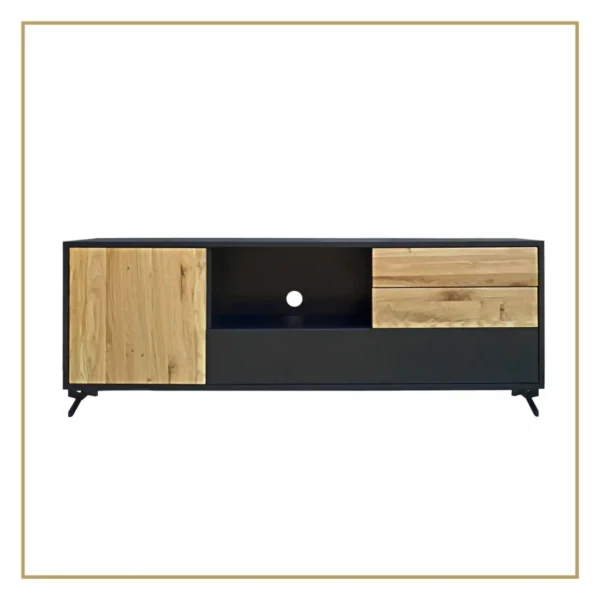
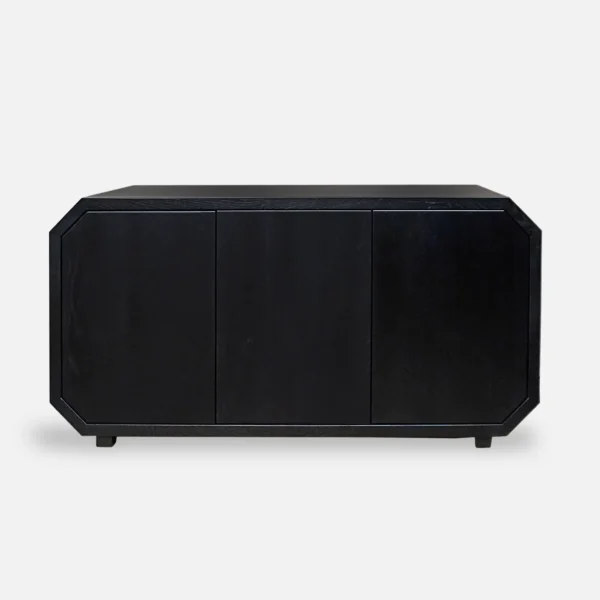
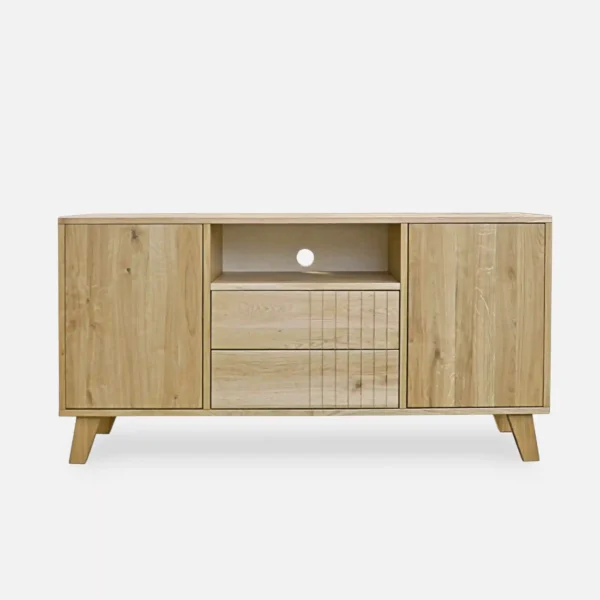
Oak wooden under TV cabinet NESS
5000 zł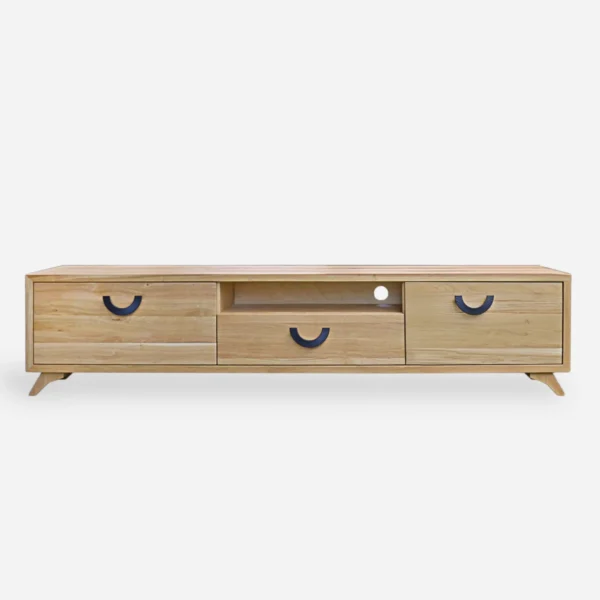
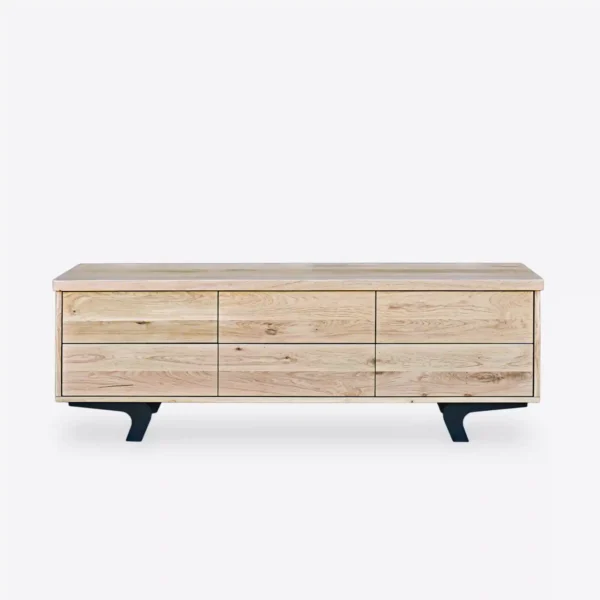

Modern TV cabinet CARLA III
4600 zł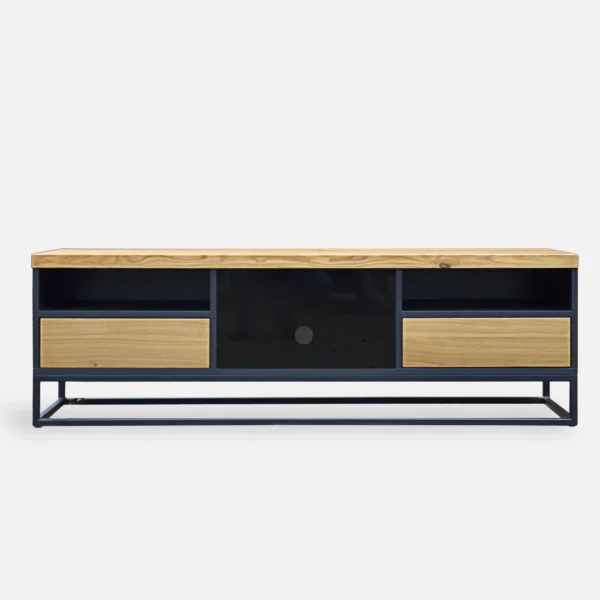
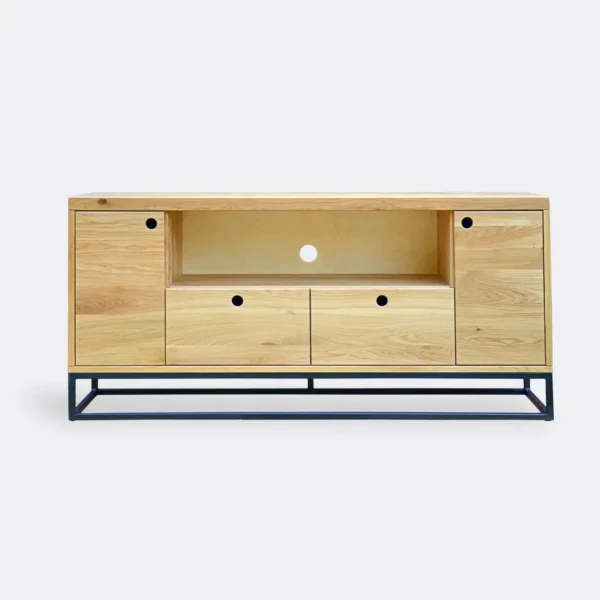
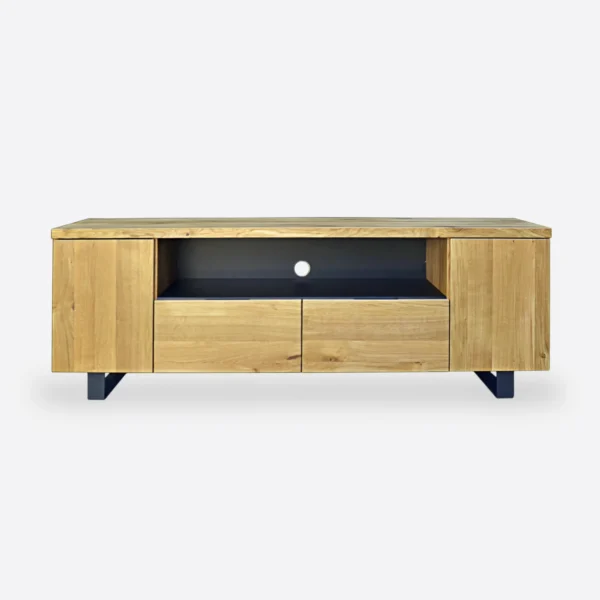
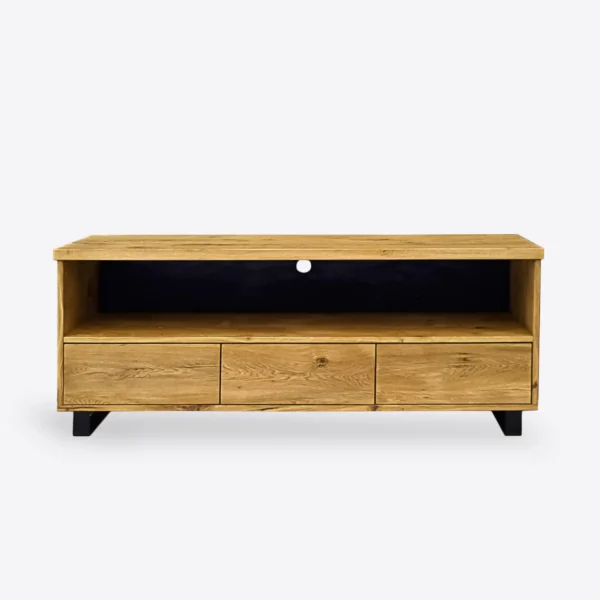
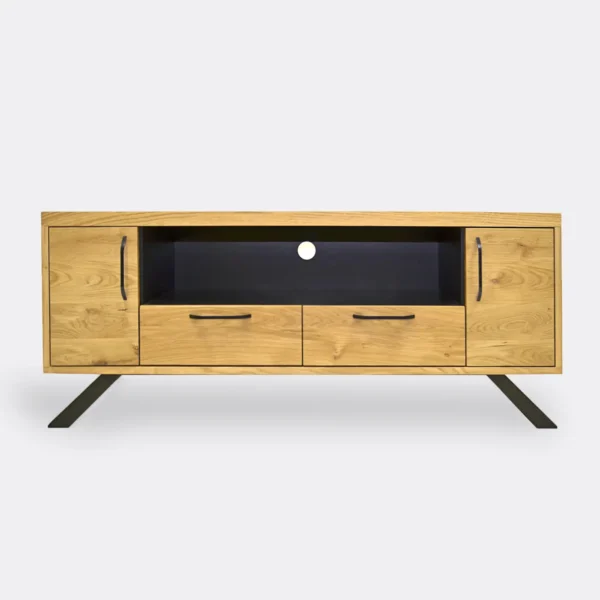
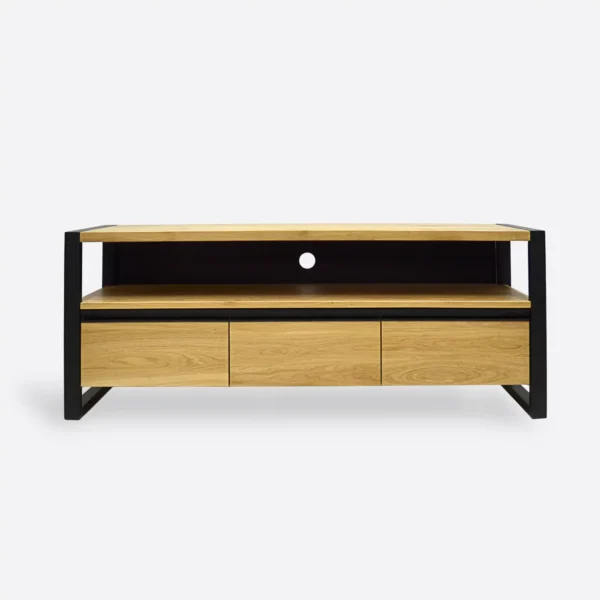
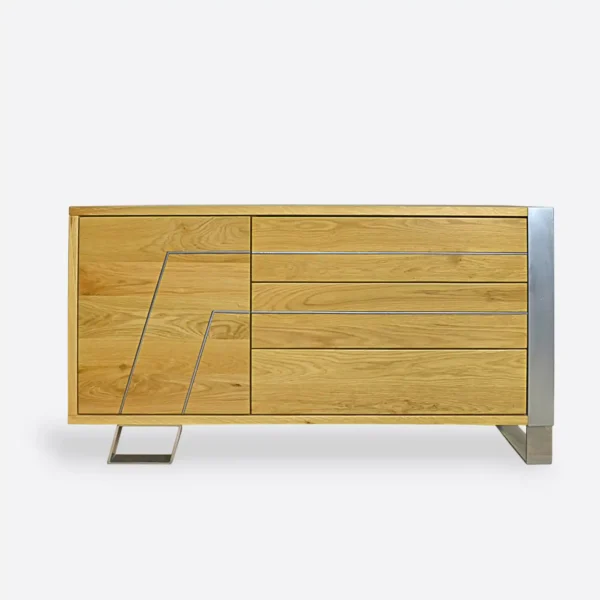
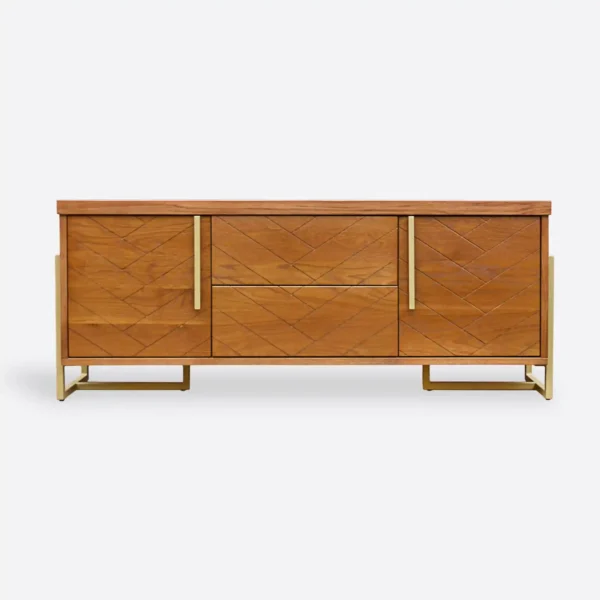
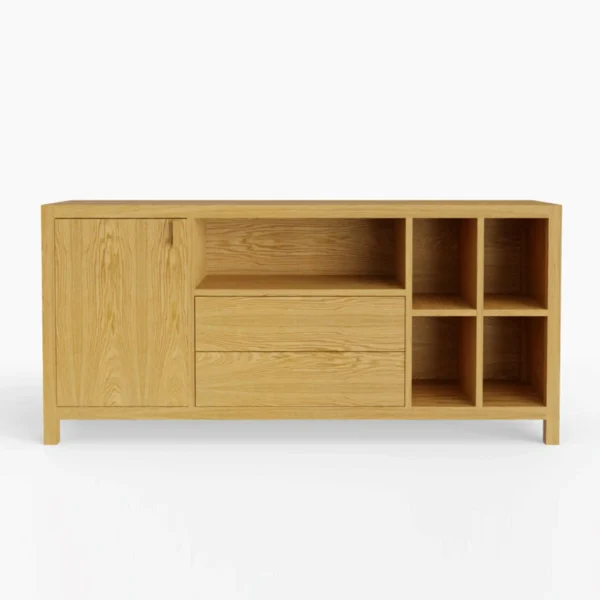
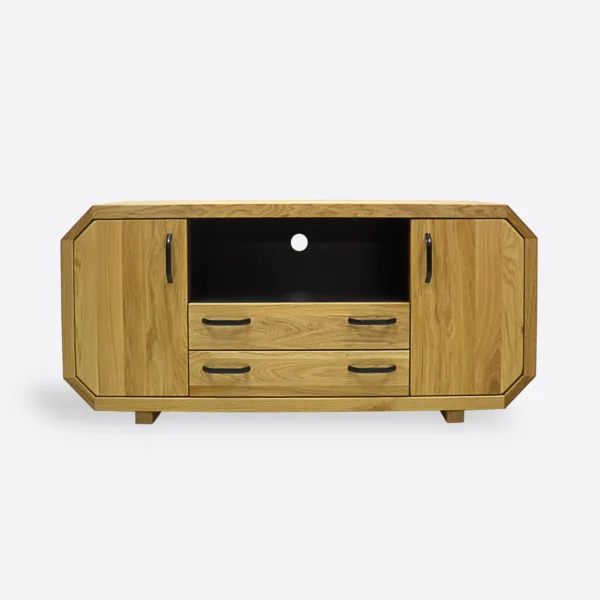
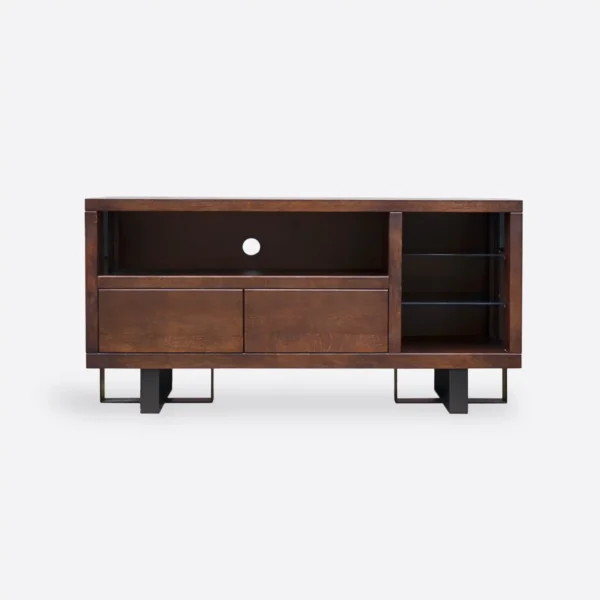
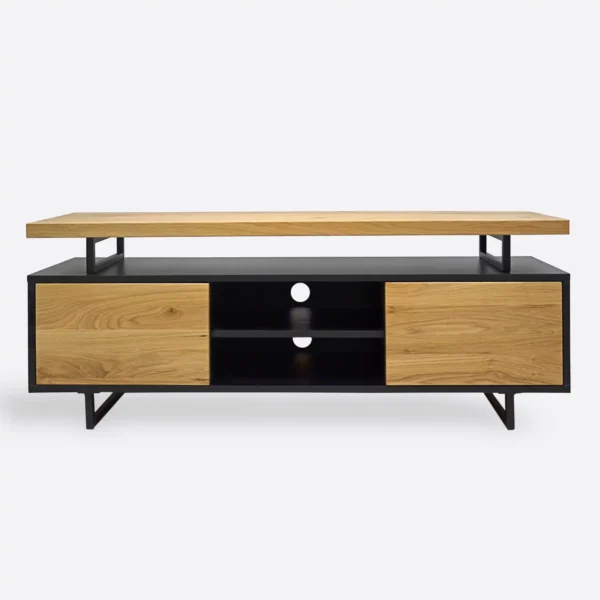

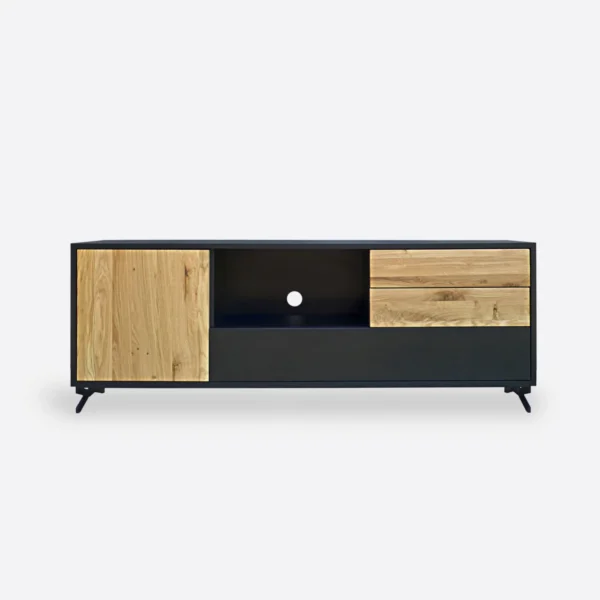
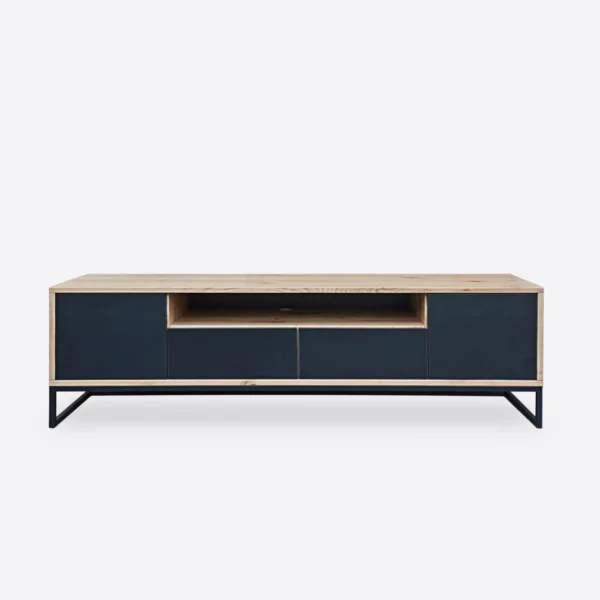
Modern wooden TV cabinet to living room CASTEL
Original price was: 3850 zł.3250 złCurrent price is: 3250 zł.TV cabinets for the living room – tidy media zone and the piece that “finishes” the interior
A TV cabinet is the everyday hub of the living room: it organizes audio-video equipment, hides cables, provides space for accessories and at the same time shapes the look of the TV wall. A well-chosen TV stand is not a random add-on – it affects the proportions of the whole arrangement (TV, soundbar, décor, lighting) and helps keep the space visually clean.
At RaWood, we design TV units to combine comfort with refined form: stable construction, practical storage layout, thoughtful cable management and a finish that matches the rest of your interior. If you need different dimensions, a custom shelf/drawer layout, or solutions for specific devices – we can prepare a custom TV cabinet made to measure.
TV cabinet subcategories:
Wooden TV cabinets
– timeless look and natural character.
Industrial TV cabinets
– wood + steel, a loft-style accent.
Modern TV stands
– minimalist shapes and a lighter visual line.
How to choose a TV cabinet for your TV and TV wall
The most common mistake when buying a TV cabinet is choosing “by eye” without checking proportions and ergonomics. Before you pick a specific model, answer three questions: how large is the TV, where will it stand (or be mounted), and what equipment must fit in the media zone?
- TV cabinet width – usually looks best when the cabinet is clearly wider than the TV (or when it becomes the base of a whole TV-wall composition with additional elements).
- Height – affects viewing comfort. If the TV stands on the cabinet top, the cabinet height determines the screen’s center level. If the TV is mounted, the cabinet height sets proportions and visual “breathing room” under the screen.
- Depth – match it to your devices and cable routing. A cabinet that is too shallow makes cable management and ventilation difficult.
If you are planning a complete TV wall (e.g., slats, built-in elements, shelves, LED lighting), treat TV furniture as the starting point – it becomes much easier to achieve a coherent, visually “closed” arrangement.
Cable management and ventilation – details that make the biggest difference
In daily use, satisfaction comes down to details: hidden cables, access to sockets, space for power strips and wiring, and device ventilation (console, AV receiver, set-top box, router). That’s why in a media zone, it’s not only the look that matters, but also the construction and planned “technical” areas.
- Grommets / technical openings – make routing wires easier and reduce visual clutter.
- Open shelves – a good choice for devices that need airflow and quick remote access.
- Drawers and closed fronts – keep accessories tidy (controllers, discs, manuals), but leave breathing space for heat-generating equipment.
- Soundbar space – if you use one, plan the cabinet width/height so it doesn’t block the screen and doesn’t look lost in the composition.
Storage layout – drawers, shelves, closed fronts or minimalism?
A good TV cabinet for the living room doesn’t have to be overloaded, but it should match your real needs. You will need a different layout if you want to hide everything behind fronts, and a different one if you use multiple devices and want quick access.
- Drawers – best for small everyday items: remotes, controllers, cables, chargers.
- Closed compartments – visually tidy the space; great for minimalist living rooms.
- Open shelves – convenient for a decoder/console; improve ventilation and operation.
- Wall-mounted versions – lighter visual effect and easier cleaning underneath.
Materials and finish – match the TV cabinet to the rest of the interior
Depending on the collection and style, TV cabinets can combine different materials: wood (including oak), steel, glass or furniture boards. This allows you to match the piece to your interior character – from warm, natural arrangements to raw loft style and modern minimalism.
It’s best to choose stain and finish in the real lighting of your living room. If you want to be sure before ordering, get wood colour samples.
Inspiration and a coherent living area
Before you decide, see real interiors: Portfolio – TV furniture. It’s the fastest way to judge scale, proportions vs. the TV, and how cable order looks in practice.
If you want to build a consistent living space, combine TV units with other categories:
- Dressers – extra storage in the same style.
- Console tables – light auxiliary furniture for living room and hallway.
- Bookcases – complete the wall and store books/decorations.
Want to see the full offer? Go to the RaWood shop or choose one of the TV cabinet subcategories from the “TV cabinet subcategories” block above.
FAQ – most common questions about TV cabinets
1) Wall-mounted or freestanding TV cabinet?
A wall-mounted unit feels lighter and makes cleaning easier. A freestanding one can be more convenient if you often reconnect cables or use heavier equipment.
2) Do you make custom TV cabinets made to measure?
Yes – you can adjust dimensions, storage layout and technical solutions for cables and devices. Start here:
Custom furniture / made to measure.
3) How do I hide cables in the media zone?
The key is cable grommets/technical openings, space for power strips and a sensible shelf layout. It’s also worth planning sockets and cable routes before you mount the TV.
4) Is a TV cabinet suitable for a console and an AV receiver?
Yes, but pay attention to ventilation and access. For heat-generating devices, open shelves or larger technical clearance work best.
5) How do I choose the wood colour?
The safest way is to check samples in the real lighting of your interior:
wood colour samples.