

Oak furniture for an industrial-style office
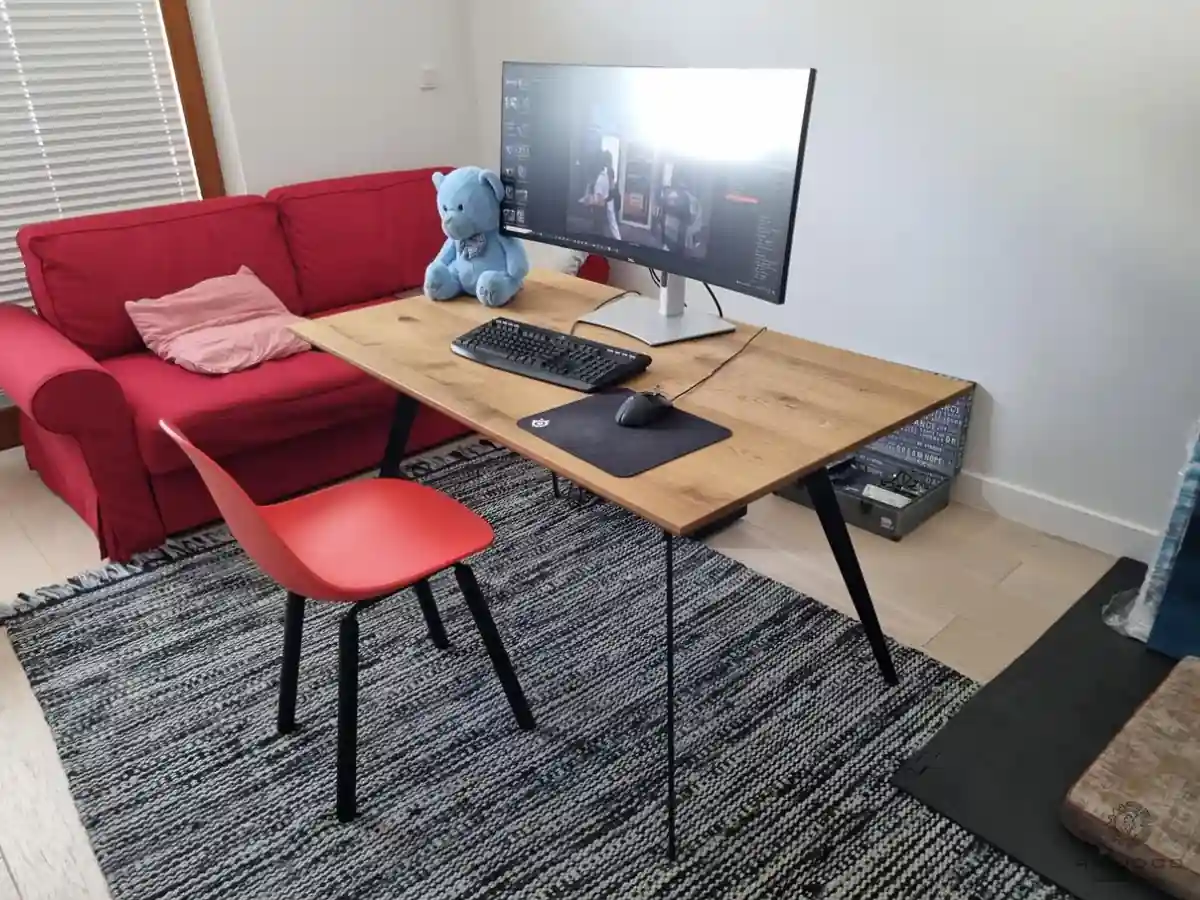
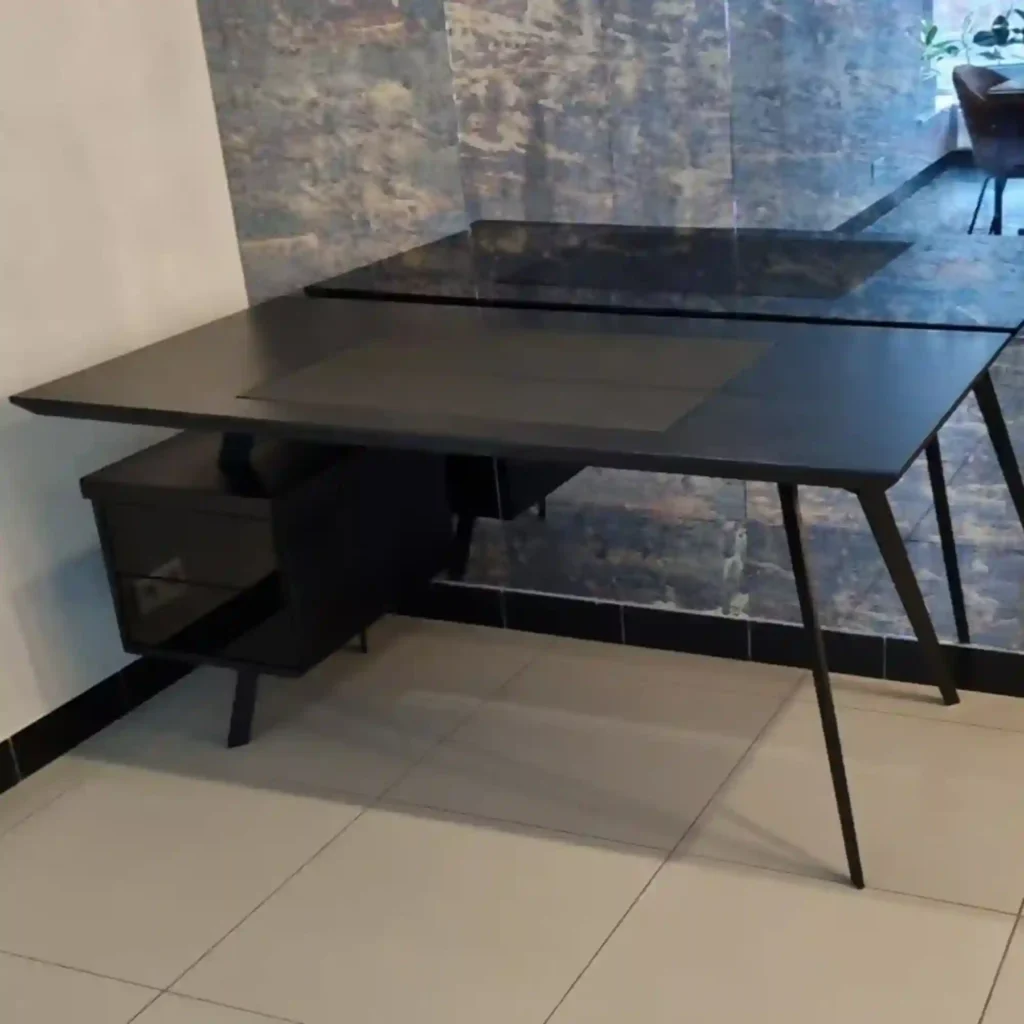 Oak furniture for an industrial-style office. How to choose the right products for your office space?
Choosing industrial furniture for the office is an excellent decision because this style combines austerity with elegance, and oak is a durable and aesthetic wood. We can adapt all our products to the individual needs of our clients, which is extremely important when arranging office space. Here are some key tips that can help you make the right choice:
1. Industrial style
- Rawness: The industrial style is characterized by straight lines, the use of raw materials such as metal and wood, and an exposed structure. Look for furniture that has metal accents (steel frames, legs) combined with oak wood.
- Minimalism: Industrial-style furniture often has a simple form without unnecessary decorations, which emphasizes its functionality. Pay attention to the spare design.
2. Wood quality
- Solid oak vs. Veneer: Choose solid oak wood, which is more durable and has a beautiful, natural look. Alternatively, a cheaper option is oak veneer, which imitates the appearance of solid wood.
- Color and Finish: Oak comes in various shades – from light to darker, smokier versions. Choose a finish that matches the overall color scheme of the office. Natural, oiled wood highlights the grain and character of the wood, while a lacquered finish can give a more modern look.
3. Functionality
- Desks: If your office requires a large work surface, choose desks with a solid oak top. Make sure the structure is stable, preferably with metal legs or frames.
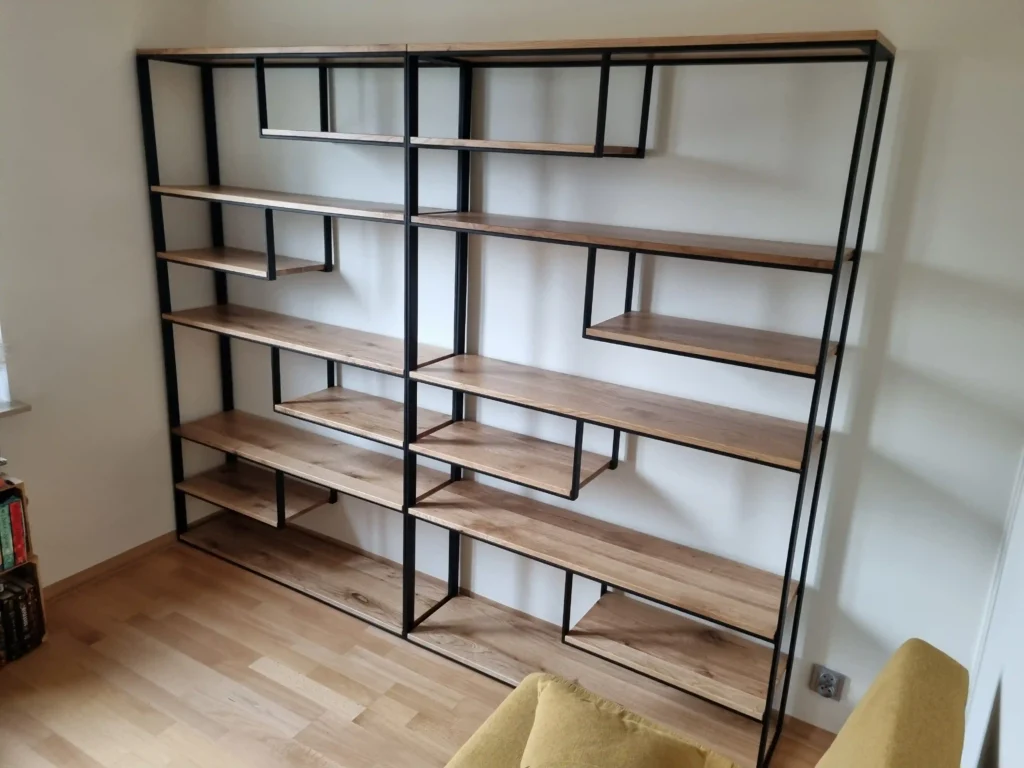
- Shelves and shelves: Look for shelving that combines oak shelves with a metal structure. They can be used to store documents, books or display decorations.
- Cabinets: Choose cabinets made of solid oak or with oak fronts, which combine modern functionality with a classic look.
4. Size and layout
- Ergonomics: Make sure the wooden furniture you choose is ergonomic. The desk should be of the appropriate height and the chair should be adjusted to long-term work.
- Room layout: Think about the arrangement of furniture so that it does not dominate the space. The industrial style prefers open spaces, so avoid overloading the office with furniture.
5. Supplementary materials
- Metal: Metal elements often appear in the industrial style. Choose office furniture that has steel elements in black, gray or brushed copper – they go well with oak wood.
- Glass elements: If you want to add lightness, you can consider stylish office furniture with additional glass elements (e.g. glass shelves on metal frames).
6. Durability
- Solidity of construction: Oak is a very durable wood, but it is important that wooden furniture is solidly made. Pay attention to the quality of the connections (e.g. steel screws, strong welds) and the thickness of the oak boards.]
- Easy to maintain: Make sure the wood finish is scratch and stain resistant, especially if the desk will see heavy use. Oiling or waxing can help maintain its natural appearance and protect the wood from damage.
7. Aesthetics and fit
- Contrast or harmony: Depending on your preferences, you can choose a contrast between oak wood and raw materials such as concrete or metal, or maintain harmony by combining oak furniture and other natural office furnishings.
- Lighting: Take care of appropriate lighting, which will emphasize the character of oak wood. Industrial-style lamps (e.g. made of metal or glass) can add character to the space.
8. Budget
- Price: Industrial-style office furniture may be more expensive due to the quality of the materials. Set a budget, but remember that oak is an investment for years. Look for furniture from companies that specialize in handmade, solid products.
To sum up, when choosing industrial office furniture made of oak wood, pay attention to the quality of materials, functionality and aesthetics. Industrial style can give the office a modern, but at the same time elegant and durable character. Choose practical office equipment and discover the accessories in our offer.
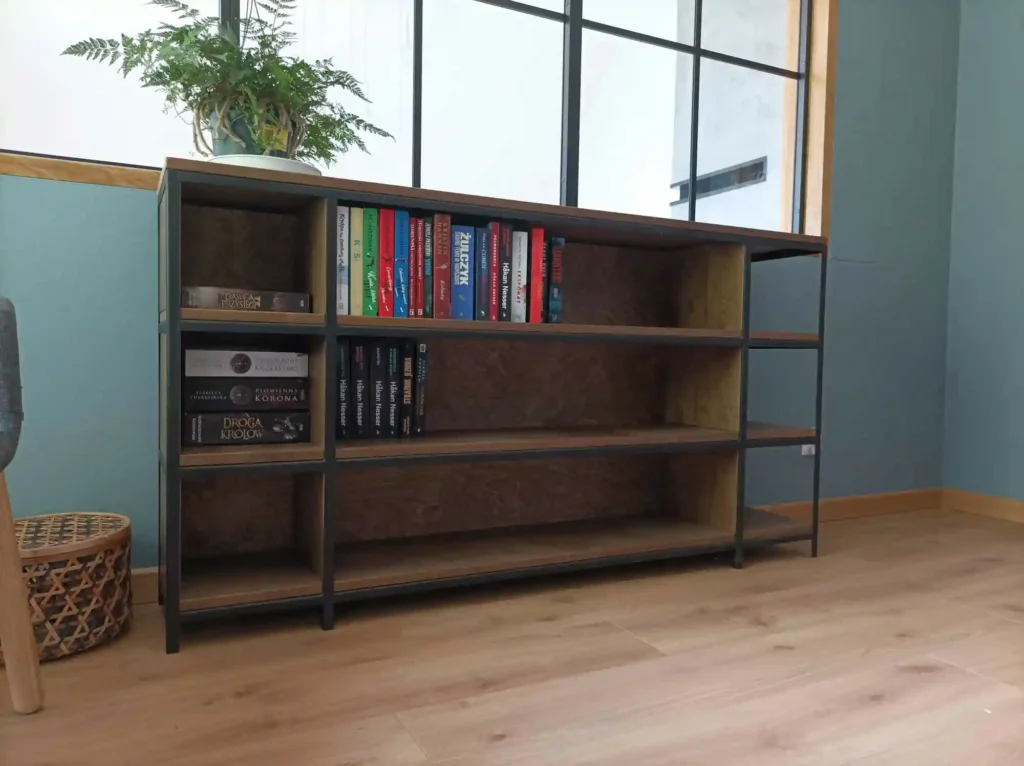 How to arrange furniture to optimally use office space?
The arrangement of oak furniture in the office, such as desks, shelves, cabinets and tables, should be carefully thought out to maximize the use of space, ensure comfort of work and facilitate organization. Here are some steps and suggestions on how to do it:
1. Space analysis
- Measurement and planning: Measure your available office space accurately. Create a floor plan of the room, including any doors, windows, electrical access points, and other permanent features.
- Traffic flow: Consider how people move around the office space. It is important not to block communication routes, such as access to doors, windows and shared office equipment (printers, copiers).
2. Arrangement of desks
- Natural light: It is worth placing desks close to windows to provide access to natural light, which positively affects work efficiency. However, make sure that the computer screen does not reflect light, which can be tiring for the eyes.
- Parallel or Perpendicular Layout: If you have many employees, arrange your desks in a parallel arrangement (in a line against a wall or in rows) or perpendicular to the walls. This saves space and creates individual work zones.
- Privacy and personal space: Make sure each employee has enough space to work by maintaining a comfortable distance between desks. In the case of open-space layouts, consider placing screens or shelves as space separators, which will improve privacy and concentration.
3. Bookcase and file cabinets
- Proximity to workstations: Document shelves and cabinets should be placed near desks to provide easy access to most frequently used materials. For employees who require frequent access to documents, it is best to place shelves against the wall behind or next to the desk.
- Shelves as partitions: In larger rooms, shelving can be used as partitions that simultaneously separate the space and provide easy access to office supplies.
- Shelf height: Pay attention to the height of the shelves. Higher shelves can be placed against walls, while lower ones can be used as partitions between workstations, without visually blocking the space.
4. Meeting and conference zone
- Conference tables: Meeting tables should be placed in a space that is easily accessible to all employees, but at the same time isolated from the main work area to avoid disruptions. For smaller offices, a conference table can be placed in the corner or center of the room, as long as it does not block the flow of traffic.
- Multifunctional tables: In small offices, it is worth considering tables that can perform various functions – e.g. a meeting table that can also be used as an additional place for team work.
5. Relaxation and social zone
- Lounge furniture: If you have space, it is worth placing the relaxation zone in a part of the office away from the workstations, so that employees can break away from their desks. Oak tables and coffee tables will work perfectly here.
- Common space: If you have space for tables for shared meals or relaxation, place them near the kitchen or kitchenette, but away from the main workstations so that they do not interfere with concentration.
6. Maintaining spatial balance
- Minimalism in furniture: Oak is a solid and visually heavy material, so it is worth avoiding overloading the space with excess furniture. Maintain a balance between functionality and aesthetics. For example, if you use heavy oak desks, choose lighter shelves or cabinets so that the space doesn’t feel too cramped.
- Open space: Try to avoid covering windows with tall furniture and placing too much furniture in the middle of the room. Maintain an open space that promotes good energy flow and comfortable work.
7. Practical tips for optimal use of space
- Movable furniture: Choose furniture on wheels (e.g. mobile cabinets) that can be easily moved depending on your needs. This flexibility allows you to quickly adapt the space to changing tasks.
- L-layout: For smaller offices, arranging the desk and cabinets in an L-shape can help you use corners efficiently while still providing work and storage space.
- The rule ‘less is more’: Avoid overdoing it with the number of furniture. Sometimes fewer elements mean more functionality. Make sure that each desk and shelf has a practical purpose.
Summary:
Optimal arrangement of oak furniture in the office requires consideration of both functionality and aesthetics. It is crucial to take into account ergonomics, access to natural light, space organization and maintaining a balance between full use of the space and ensuring comfort and fluidity of movement in the office. Thanks to these tips, you can create an office that not only looks good, but also promotes effective and comfortable work.
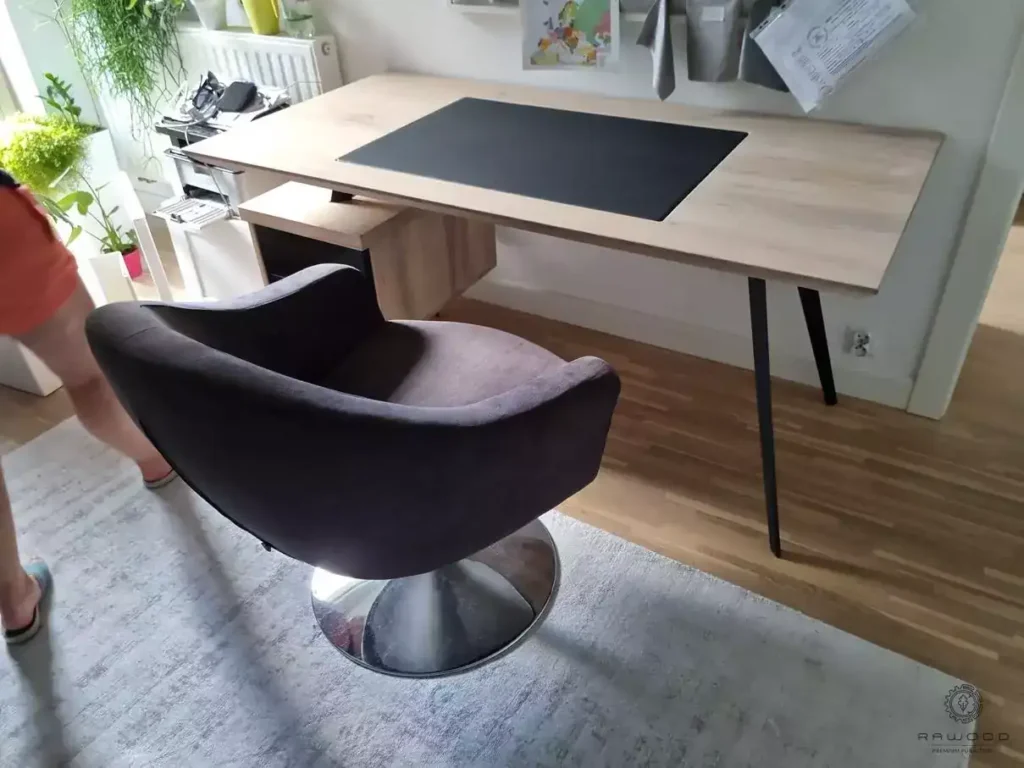 What are the advantages of using industrial oak furniture in the office?
Industrial oak furniture has many advantages that make it an ideal choice for offices. They combine the rawness and modernity of the industrial style with the natural beauty and durability of oak. Here are the most important advantages of their use in the office:
1. Durability and solidity
- Oak durability: Oak is one of the most durable wood species. Solid oak furniture is extremely solid and resistant to mechanical damage, which makes it perfect for intensive use in the office. This type of furniture can last for many years without losing its original appearance and functionality.
- Construction stability: Thanks to the combination of oak wood with metal elements typical of the industrial style, this furniture is exceptionally stable. They are able to withstand heavy loads, which is important in offices where large amounts of documents or equipment are often stored.
2. Aesthetics and style
- Elegance of a raw look: Industrial furniture combines the rawness of metal with the warmth and elegance of oak wood. This contrast makes office interiors look modern but cozy at the same time. The industrial style is so universal that it fits both modern and more classic office spaces.
- Unique character: Oak has a beautiful, natural structure that makes the furniture unique. The grain and knots in the wood give the furniture character and give each office an individual, unique look.
3. Functionality
- Practical solutions: Industrial-style furniture often has a simple, functional form, which makes it very practical. Desks with large, solid tops, shelves with open shelves and file cabinets offer a lot of space for work and storage, without taking up too much space.
- Modularity: Industrial furniture often has a simple design that easily integrates into various office space layouts. They can be easily moved and adapted to the changing needs of the office.
4. Easy to maintain
- Low maintenance: Oak furniture, especially oiled or waxed furniture, is relatively easy to maintain. Regular maintenance treatments, such as oiling, help maintain their natural appearance and resistance to scratches and stains.
- Resistance to damage: Thanks to the solid construction of metal and oak wood, industrial furniture is resistant to everyday wear and tear, and any minor damage, such as scratches or dents, can even add character to it, emphasizing the industrial style.
 5. Versatility
- Adaptation to various interiors: Industrial furniture fits various types of offices – both small home workspaces and large open spaces. Thanks to the combination of wood and metal, they are so universal that they match well with other materials and arrangement styles.
- Possibility of personalization: In the industrial style, custom-made furniture is often found, which allows it to be adapted to the specific needs of the office – from dimensions to finishing. This makes them very flexible and can fulfill various functions in the office.
6. Eco-friendliness
- Sustainable materials: Much industrial furniture is made from renewable raw materials, such as solid oak. Choosing oak furniture from certified sources can help create a greener work environment, which can be an asset for environmentally conscious companies.
- Recycling: Industrial-style furniture often uses reclaimed elements, such as recycled steel or wood, which can also help reduce a company’s carbon footprint.
7. Increasing the prestige of the office
- Professional look: Oak industrial furniture gives offices a prestigious and solid character. The solidity and aesthetics of such furniture make the office look professional, which may have a positive impact on the perception of the company by customers and business partners.
- Investment value: Investing in durable and elegant oak furniture can also increase the value of the office interior, which is important, especially if the company plans to use the space long-term.
Summary:
Industrial oak furniture offers a unique combination of durability, aesthetics and functionality. Thanks to them, the office gains a professional look and employees can use comfortable, ergonomic and solid solutions. Additionally, their resistance to damage and ease of maintenance make them a practical choice for any office.